




Seafood and aquaculture buyers keep asking the same question about their steel building package: buy structure and envelope separately, or as one package?. They get stuck on a quote that will not hold still. You ask for a number and get one. You mention that part of the floor will run at minus twenty instead of plus two, and it moves. You add a dock door, and it moves again. After three rounds nobody is sure which version is on the table, and the schedule has slipped a month.
That is rarely a pricing problem. It is a sequencing problem: when structure and envelope are bought separately, span, load, panel profile, thickness and embed positions end up split between two suppliers, and every change on one side forces a recalculation on the other. What follows is the order we would fix things in before asking anyone for a price.
1. Fix these four things before you ask for a price
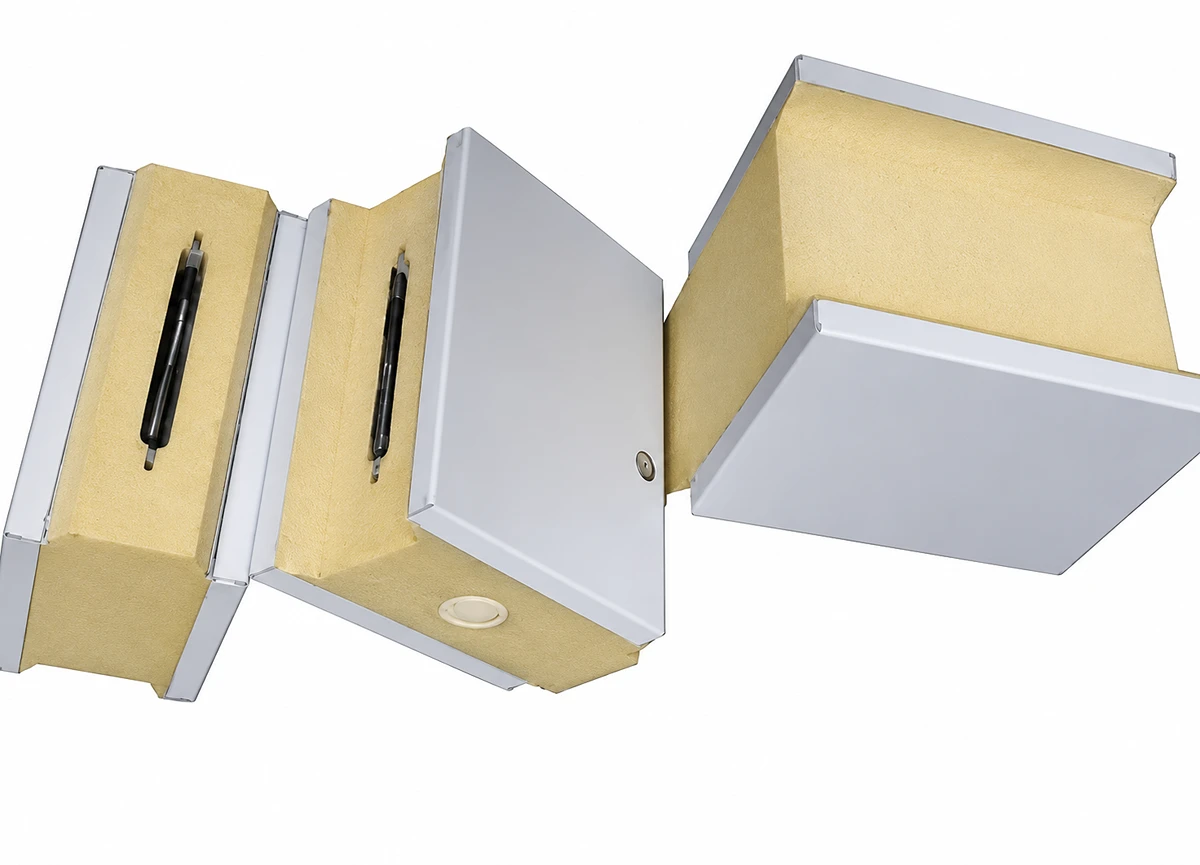
Buying the steel building package as one — structure and envelope together — saves the interfaces and the schedule: embed positions, panel thickness against purlin spacing — not the unit price.. Fix span and load first — they come from what you store, how you move it, and the local snow and wind case, and they set the frame everything else hangs on. Only then decide the temperature zones, because the zone decides panel thickness. Then the core, which follows thickness and the fire case. Embed and door positions come last: they depend on all three.
The reason to hold that order is simple: each item is an input to the next one. A panel thickness chosen before the zones are settled is a priced guess. Embed positions set before the frame is fixed mean relocated anchor bolts, and relocation on a poured slab costs what a drawing revision does not. Reverse the order and every later decision reopens an earlier one — which is what a moving quote looks like from your side.
|
Zone |
Typical thickness |
Core |
Effect on frame |
| +0 to +4 °C | ٧٥–١٠٠ ملم | PU / PIR | Light; rarely governs purlins |
| −18 to −25 °C | 150-200 ملم | PU / PIR | Heavier; check purlin spacing |
| Processing hall | ٧٥–١٠٠ ملم | Rock wool / PU | Fire case and hygiene drive it |
| Fire separation | 100–150 mm | Rock wool | Heavier than PU; allow for it early |
2. The lead-time clock starts on drawing approval, not on the purchase order
A production window of 30–45 days is a real figure — but it starts the day drawings are approved, not the day the order is placed. Buyers who plan from the PO date are routinely three to four weeks out, and they find out late, with no room left to absorb it.
Work backwards instead. From the date you need material on site, subtract ocean transit, subtract the production window, then subtract the drawing round-trip — what remains is your real deadline for freezing the decisions in section one. Two things eat that margin: the number of drawing revisions, and embed positions left open because the process layout is not final. Both are inside your control, and both are cheaper to solve in week one than week six.
|
Step |
What happens |
| Target date on site | Material at the gate |
| minus ocean transit | Departure from port of loading |
| minus 30–45 days | Production window opens = drawing approval day |
| minus drawing round-trip | Drawings issued for approval |
| = decision deadline | Span, load, zones, core, embeds frozen |
3. Steel Building Package: One Package or Two?
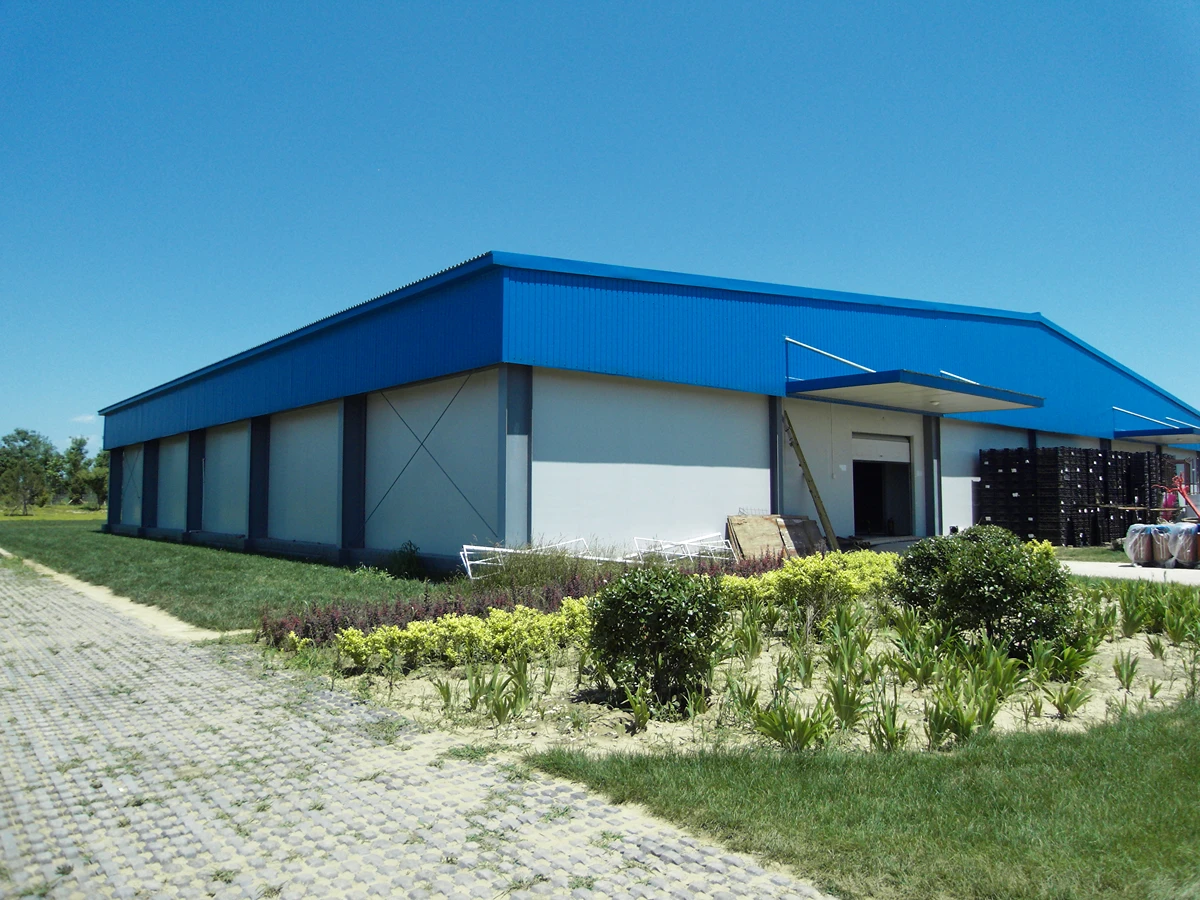
Buying both from one supplier is not automatically better. What changes is who owns the interface between them — and that interface has a cost whether or not anyone prices it. Split the scope and the cost lands on you, in coordination time and change traffic. Keep it together and it lands on the supplier, in the price. Neither is wrong. What goes wrong is not deciding, and finding out in week six that nobody owned it.
|
Interface |
Separately |
One package |
| Responsibility boundary | You arbitrate | One party answers for it |
| Embed alignment | You reconcile two drawing sets | Reconciled before issue |
| Panel thickness recheck | Repeats on every zone change | Done once, internally |
| Change propagation | Two sequential cycles | One cycle |
| Arrival sequence on site | You sequence containers | Sequenced to erection plan |
Whichever way you go, name the owner of each row above in writing before either order is placed. One page, five lines, signed by both sides — it is the only document that says who recalculates when the zone changes in week four.
4. A pre-shipment checklist you can hand to your own QA
Whoever supplies the package, the checks below catch problems while they are still cheap — at the factory, not on your slab. A panel 8 mm under nominal is a ten-minute conversation before loading and a three-week argument after arrival. Hand this to your own inspector or third-party agency as it stands; none of it needs more than a caliper, a tape and a camera. If a supplier objects to any line on it, that objection is itself information worth having before you order.
- ✓ Panel thickness on random sheets per batch, not samples
- ✓ Core density vs the approved submittal
- ✓ Tongue-and-groove joints dry-fitted, not eyeballed
- ✓ Coating weight on the facings vs the mill certificate
- ✓ Embed plates vs the latest approved revision
- ✓ Lifting points and edge protection on every bundle
- ✓ Packing list vs loading plan, sheet by sheet
- ✓ Mill certificates packed with the goods, not emailed later
- ✓ Loading sequence matches the erection sequence
- ✓ Photos of each loaded container before doors close
5. How this looks on a real project
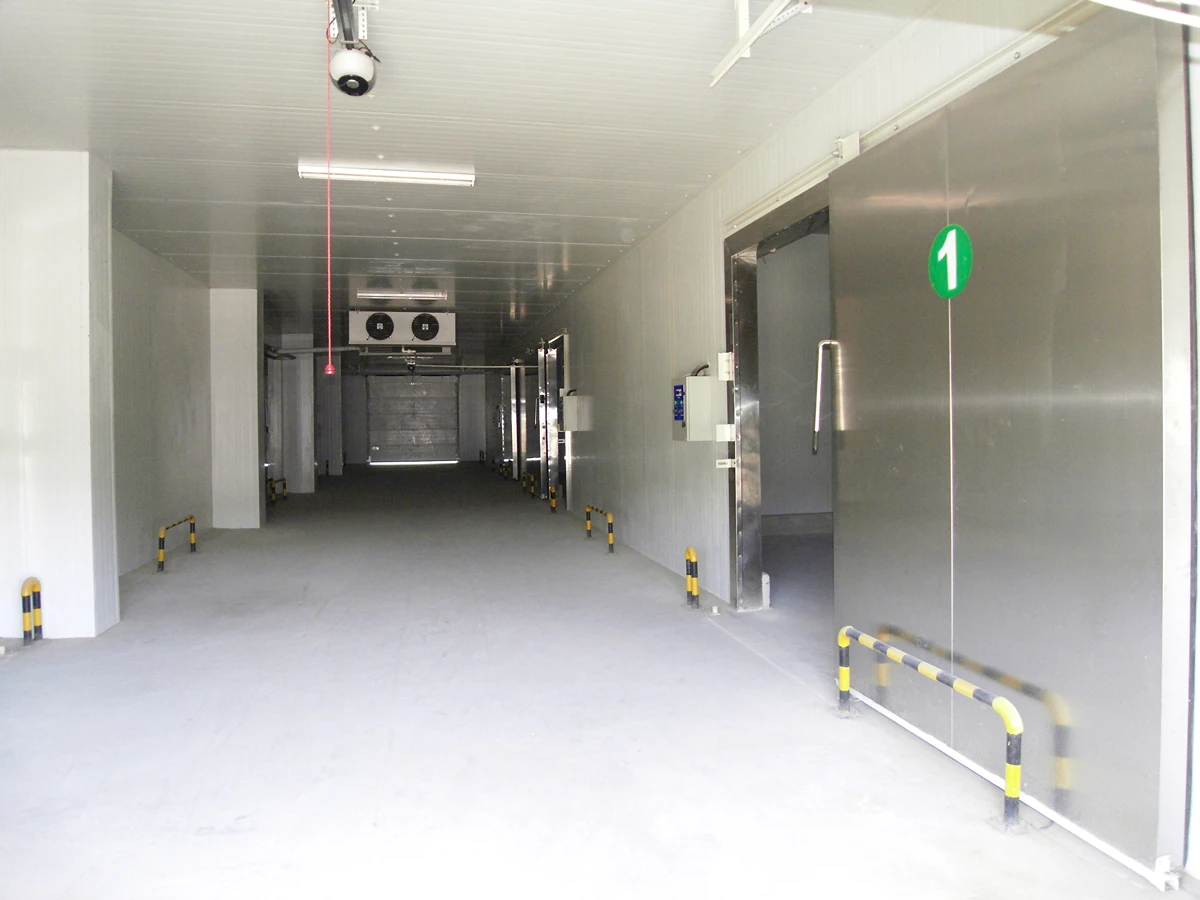
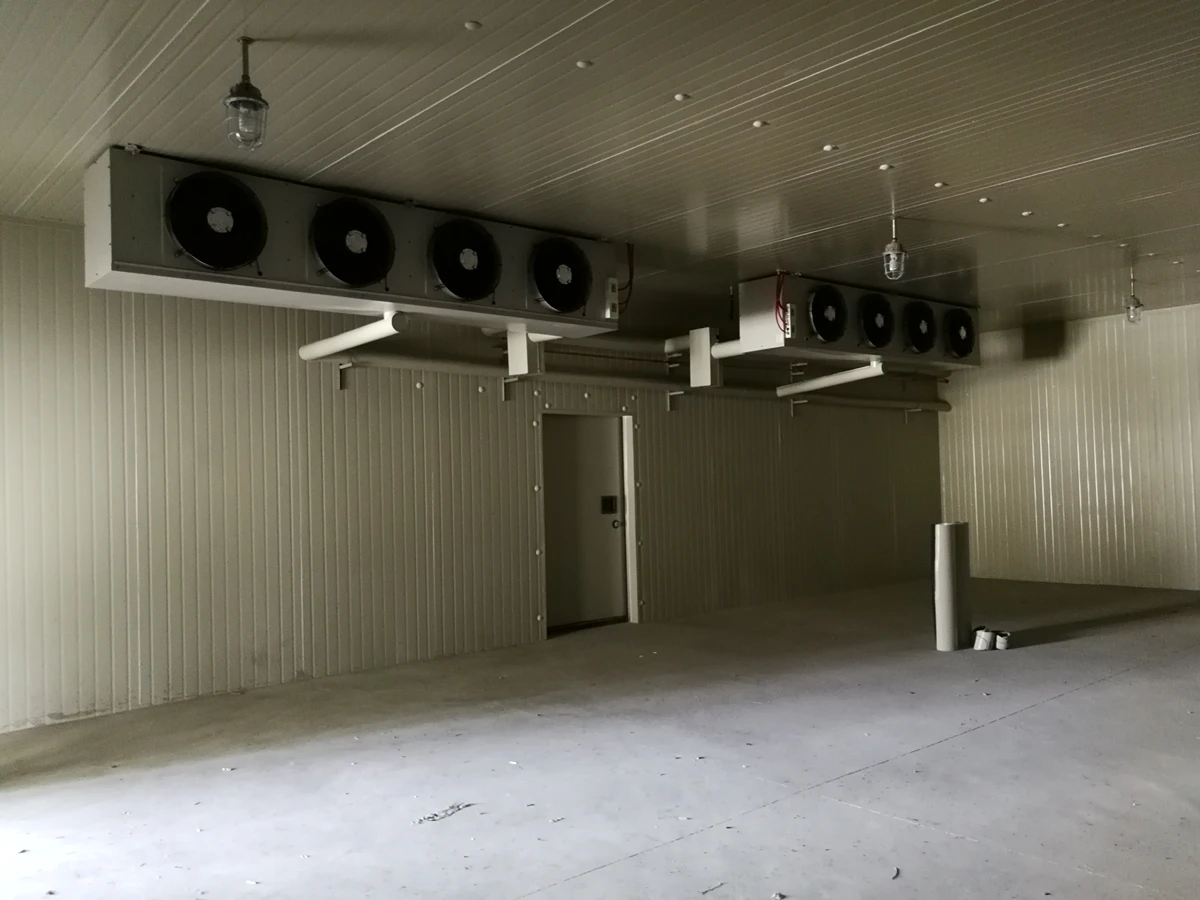
Two of our projects show the order at work. VIKKINS delivered the cold storage package for the Qiqihar Integrated Logistics Park Cold Storage in Qiqihar, Heilongjiang Province, China, supplying 40,000 m² of polyurethane cold storage sandwich panels — produced in our own factory. There the frozen zones were fixed before the panel schedule was issued, which is why the thickness held through to production. VIKKINS delivered the building envelope package for the Iraq Food Processing Plant Warehouse in Baghdad, Iraq, supplying 6,000 m² of rock wool sandwich panels — produced in our own factory. There the fire case drove core selection, and embeds closed out before drawings went for approval — so the production window opened when it was meant to.
Where to start
Fix span and load, then zones, then core, then embeds. Work your dates backwards from the site date, not forwards from the order. Decide who owns each interface and write it down. Then send the same one-page brief to every supplier you are comparing — at that point the differences between their answers mean something. For a price range, send the span, the zones and the target site date. See our دليل سماكة ألواح غرف التبريد و insulated panels for cold-chain warehouses.
Our two plants cover 80,000 m2 in total (including 40,000 m2 of workshop), producing 30,000+ tons of structural steel and over 5,000,000 m2 of sandwich panel a year. ISO 9001:2015 / ISO 14001:2015 / ISO 45001:2018 / CE / CWB certified.