



Walk-In Cold Room vs Built Cold Store: How to Choose Before You Buy
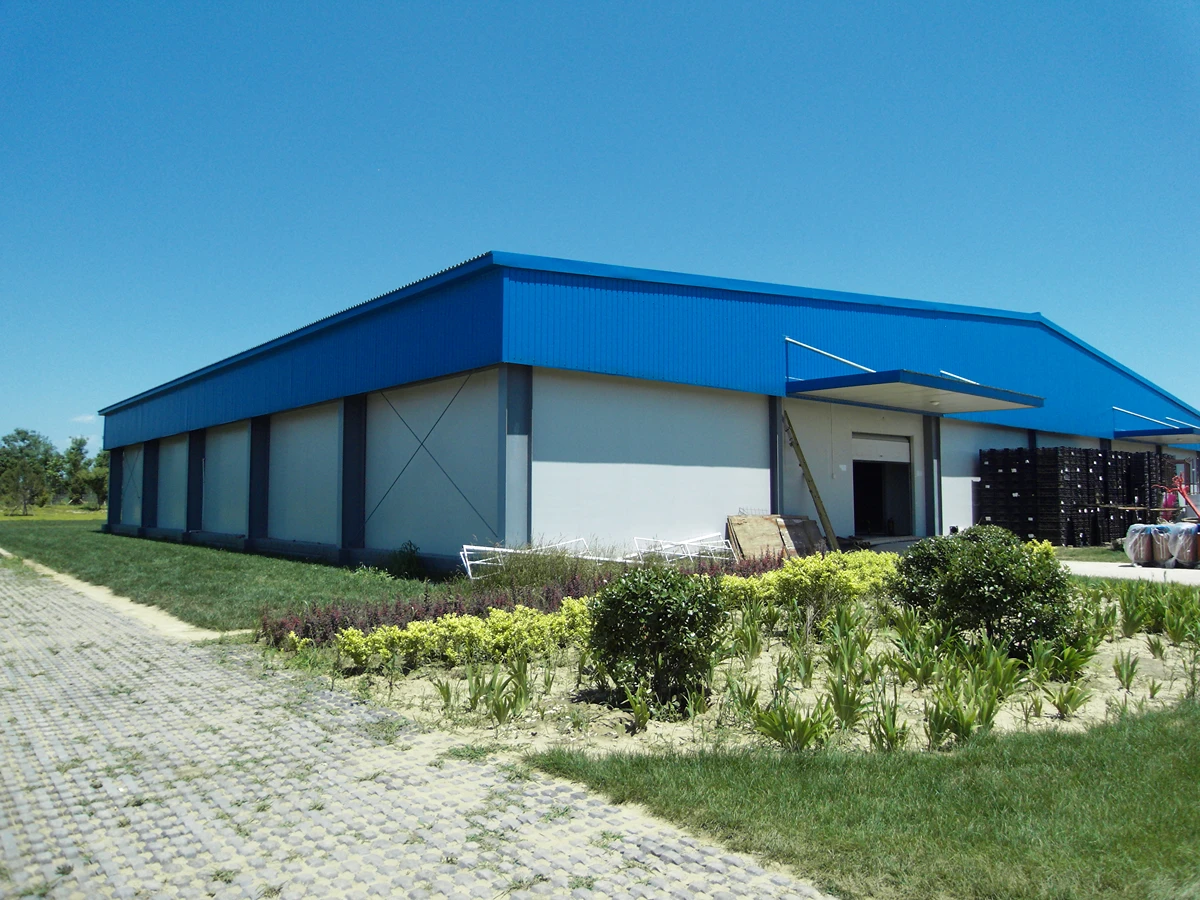
When comparing walk-in cold room vs built cold store, understanding the difference is critical. Cold storage is not one product. It is a spectrum — from a small modular walk-in you bolt together in a corner of an existing warehouse, all the way to a purpose-built, insulated cold-store building with its own steel structure, floor and refrigeration plant.
Most buyers start shopping before they have decided which end of that spectrum they actually need. And that single decision — made too early, or by default — is the one that most often ends in a room that is too small, too warm, or far too expensive to run. A restaurant owner who buys a small walk-in and fills it in three months regrets not planning ahead. A food distributor who installs a walk-in to start then outgrows it in two years discovers they have just paid twice — once for the small room, once for the larger one.
Here is how to think it through deliberately, so you get it right the first time.
The real question isn’t “what does it cost” — it’s “which type do I need”
A walk-in cold room and a built cold store solve the same problem in two very different ways. Before comparing quotes, decide which category fits, because comparing a modular walk-in against a built cold store on price alone is comparing two different things.
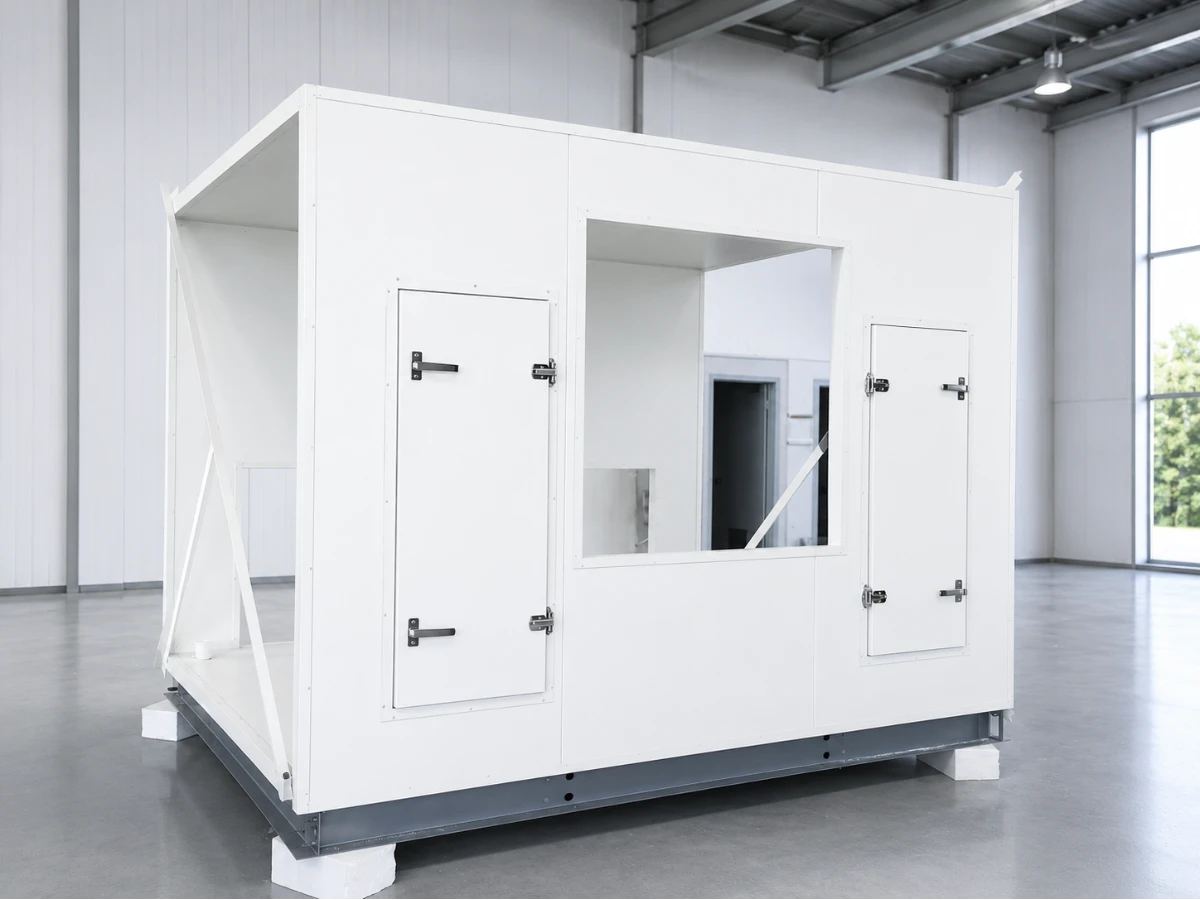
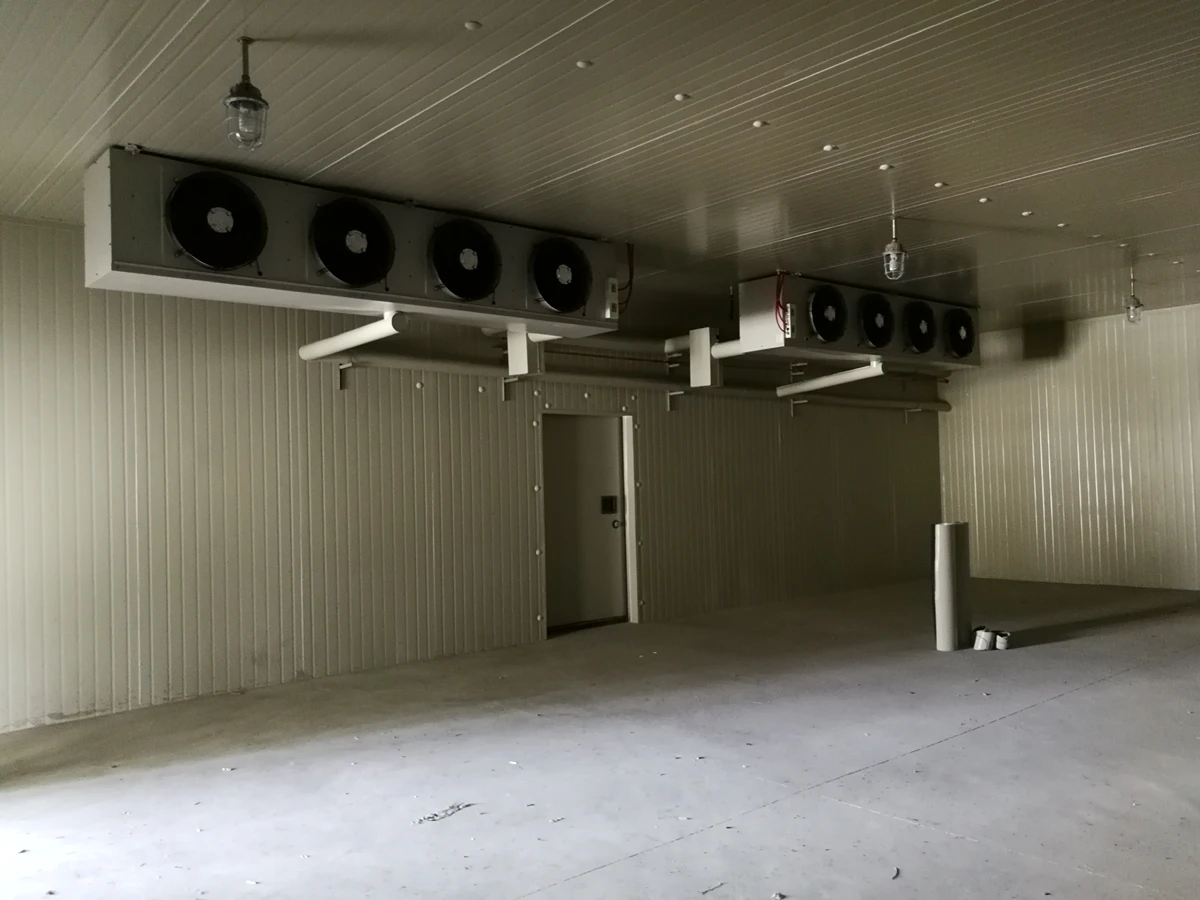
A modular walk-in cold room is a self-contained box of insulated cold room panels, assembled fast, usually placed inside a building that already exists. It is the right answer for a shop back-room, a restaurant, a clinic, or a small distribution point — anywhere the volume is modest and speed matters more than scale.
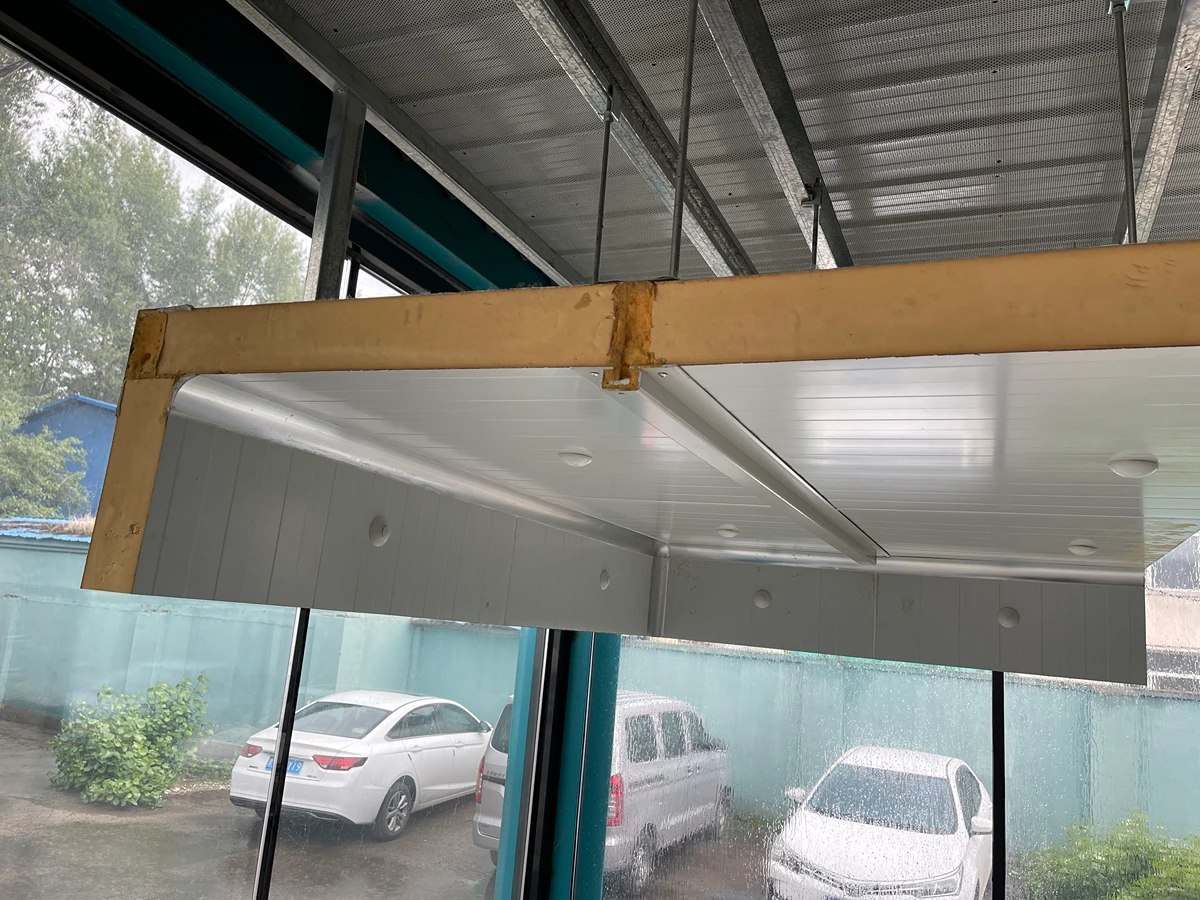
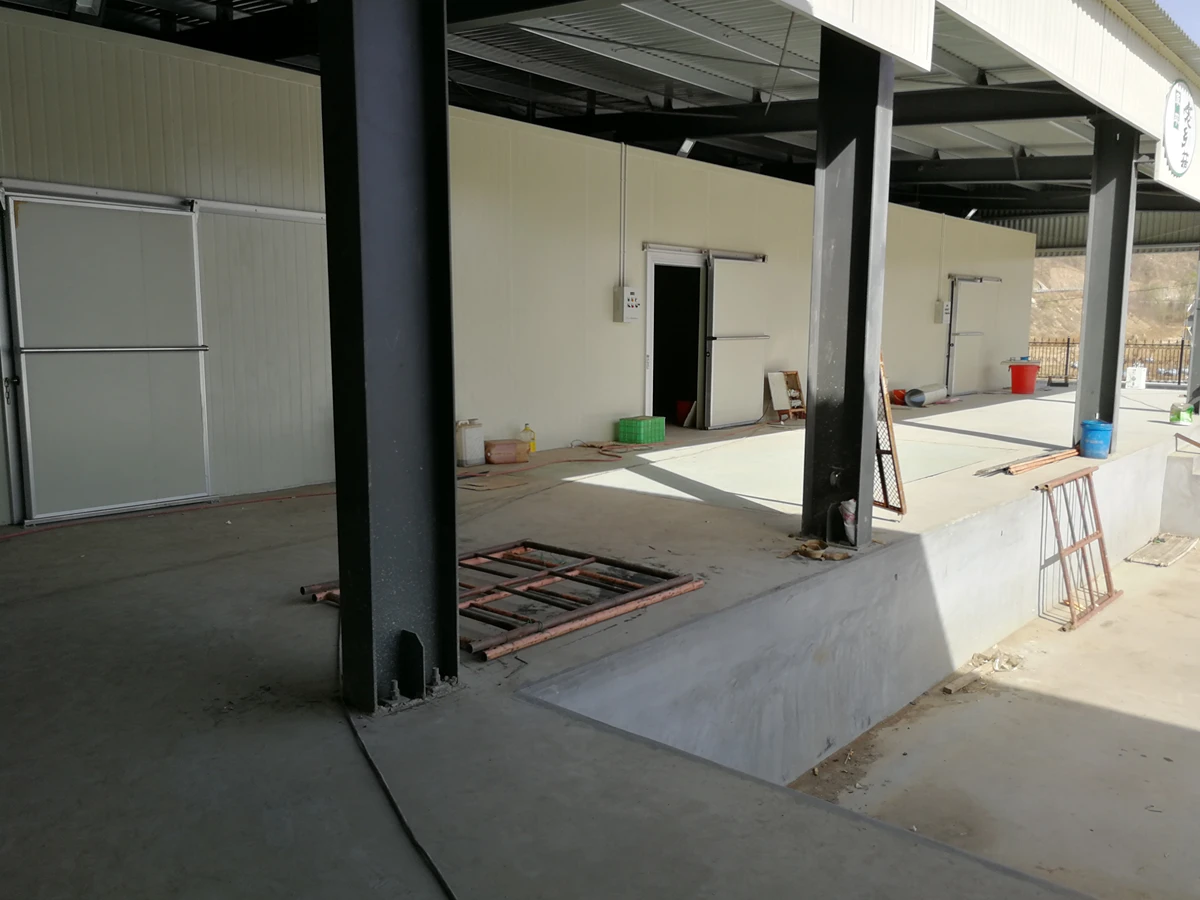
A built cold store is a cold-storage building: a steel structure with an insulated envelope, an engineered sub-zero floor, dock doors, and a refrigeration system sized for the whole space. It is the right answer for large food producers, pharmaceutical distributors, cold-chain logistics hubs — anywhere the volume justifies building it, and the building becomes part of your business infrastructure.
Five questions that decide which type you need
Before you compare brands or prices, answer these five questions. They will steer you toward the right category — and save you from buying something that looks cheap but doesn’t fit.
1. What temperature, and how stable does it need to be?
A small modular walk-in can hold -18°C for frozen goods or 2°C for fresh produce. But if your product is pharmaceutical powder that must stay within ±0.5°C, or seafood that needs -25°C with tight humidity control, you need a built store with a proper refrigeration plant engineered for that load. Modular rooms are good. Purpose-built is essential when tolerance matters.
2. What is your storage volume today, and what will it be in three years?
This is the one that catches most buyers. A walk-in might be 2 × 2 × 2.4 m — 10 cubic metres of storage. If you buy it and fill it in year one, you are shopping again in year two. A built cold store can be 50 × 20 × 4 m, designed to grow: start with half-full, scale into it. Buying too small means paying twice.
3. Is it going inside an existing building, or outside?
A modular room fits inside a warehouse, a factory floor, or a supermarket back-room. A built cold store is its own building: it stands alone, outdoors or on a site, because it has to be structural. If you have a space and just need to cool it, modular. If you are commissioning new infrastructure, built.
4. How many people pass through the doors each day, and how often do the doors open?
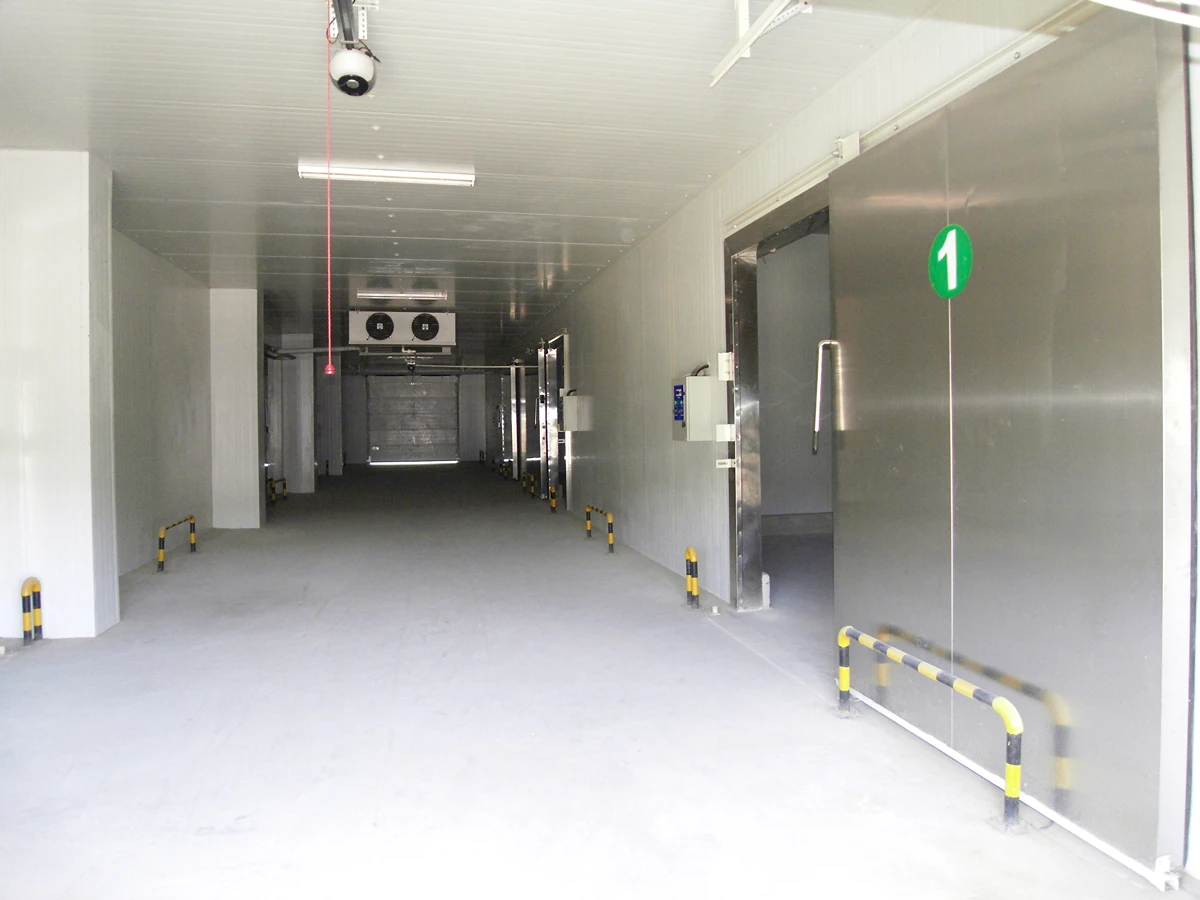
A shop back-room walk-in opens maybe 20 times a day. A cold-chain logistics hub might have forklifts in and out 500 times. Every door opening is a thermal event — warm air in, cold energy cost. A small modular room with frequent traffic will struggle; a built store can be designed with airlocks, high-speed doors, or multiple accesses to manage the load.
5. Does it need to be a building code structure, or is it an appliance?
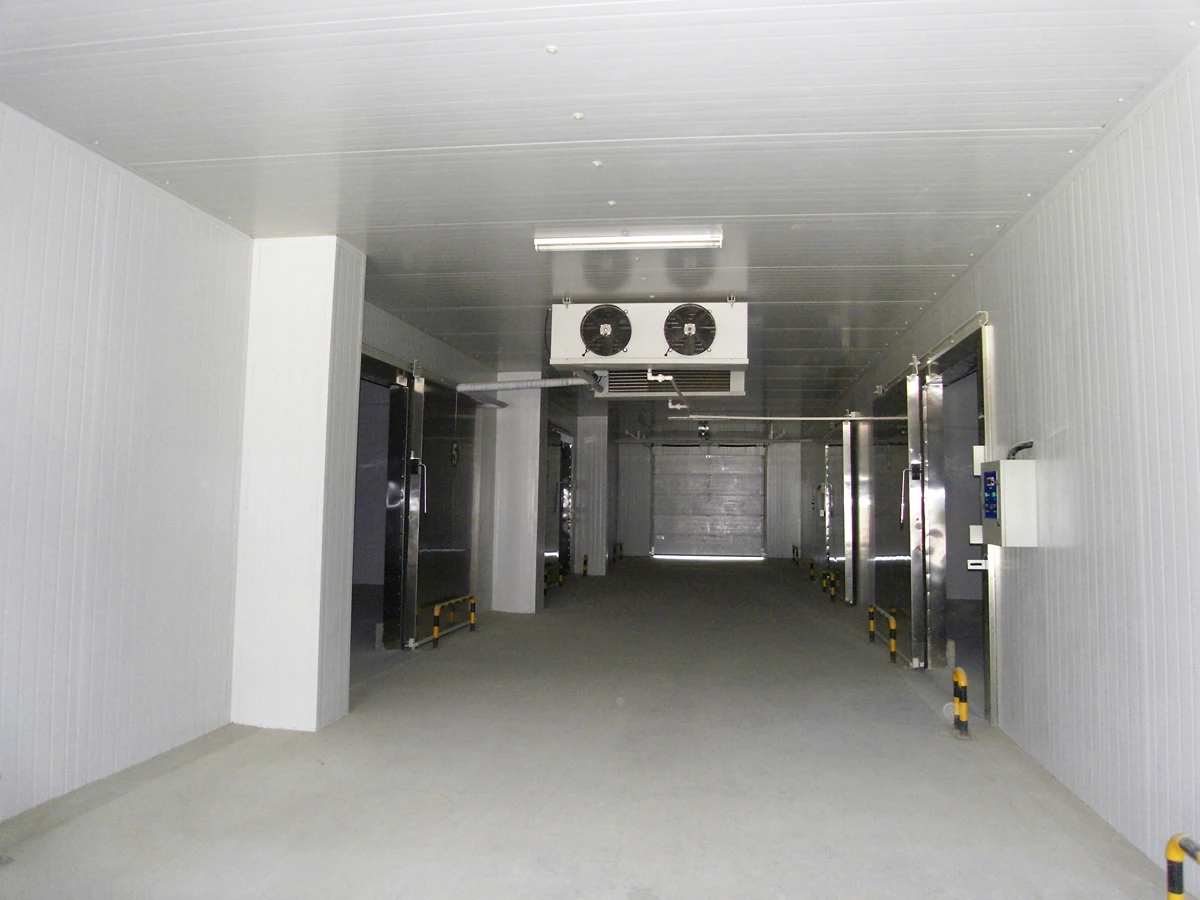
A modular walk-in sits inside your building and is largely treated as equipment. A built cold store is a building: it needs structural engineering, a foundation design, dock certificates, and compliance with local building code. This takes longer to permit and build, but it is also an asset that outlasts a modular room by decades and can be insured and mortgaged as infrastructure.
Why the difference matters: operating cost, not just capex
The obvious difference is upfront cost: modular rooms are cheaper. But choosing a walk-in cold room is like renting; choosing a built cold store is like owning an asset. A modular walk-in in heavy use will cost more to run because of higher losses through thinner insulation and more frequent thermal cycling from door traffic. A built store, though it costs more to build, can have thicker insulated panels, better insulation, optimized refrigeration sizing, and a much lower cost-per-tonne-per-year to operate.
The maths matter. If your walk-in is open 8 hours a day with 100 door passes, that’s constant warm-air infiltration. Your refrigeration plant runs harder, your energy bill climbs. A built cold store designed with proper airlock doors, high-speed access, or separate loading zones can cut that thermal loss by 30–40%. Over five years, the total cost of ownership often favours the built store, especially if your volume is steady or growing. A walk-in makes sense for occasional use in a corner of your warehouse. A built store makes sense if cold is your core business.
The full spectrum: what VIKKINS does
We do both — from modular cold rooms and cold-room systems, to full turnkey cold-store buildings with their own steel structure, insulated floor and refrigeration.
That means the first conversation isn’t a sales pitch for whatever product we happen to make. It’s an honest read on which type you actually need — and, just as often, telling a buyer a modular walk-in is all they need, not a building.
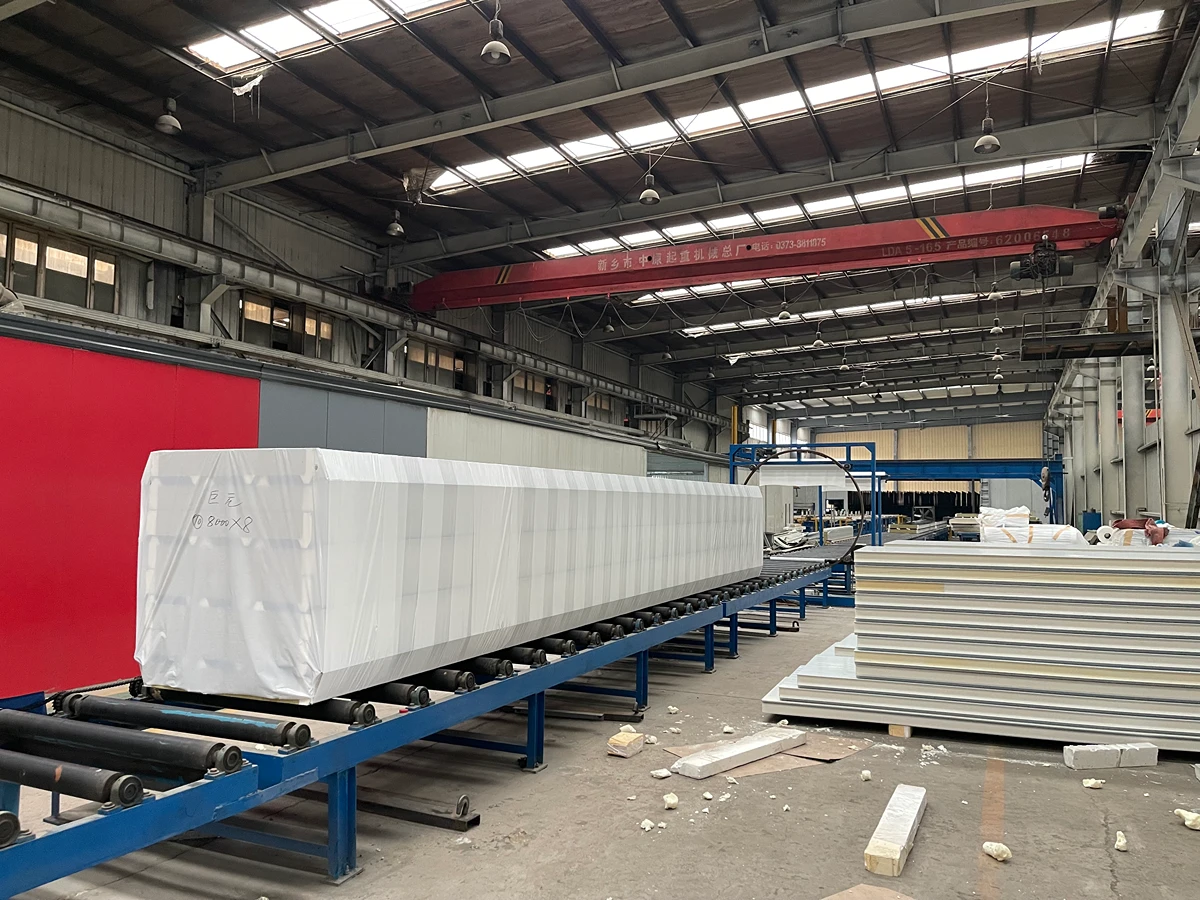
Tell us five things — target temperature, product, volume today and in three years, whether it sits inside or outside, and your door traffic — and our engineering team will come back with the right type first, then the design and quote. Within 24 hours, in English, Spanish or French.
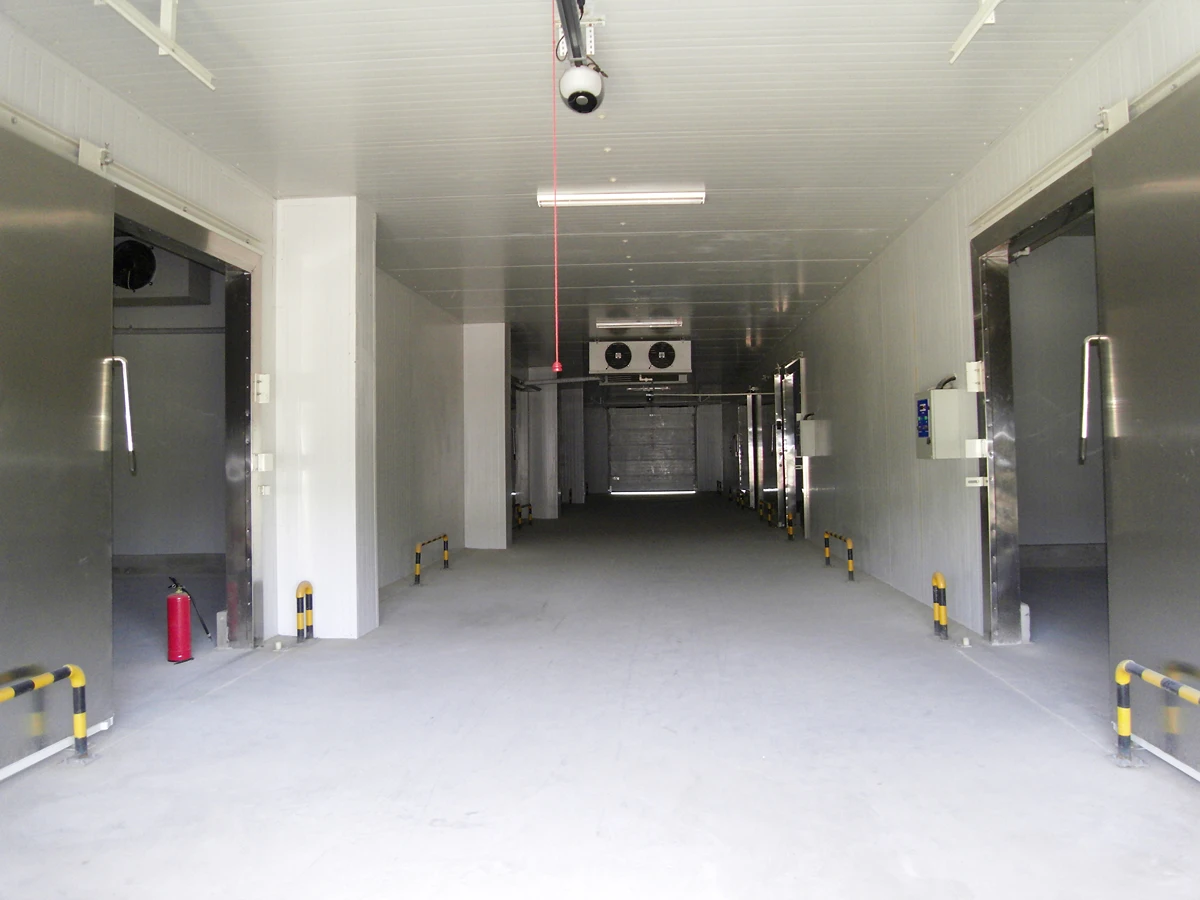
Written by the VIKKINS Engineering Team. VIKKINS is a Canada-operated, China-manufacturing steel building company delivering turnkey steel structures and cold-chain systems to more than 90 countries, from two production bases in Cangzhou and Harbin, coordinated through our Montréal office. ISO 9001 / 14001 / 45001 certified, with an annual capacity of 20,000 tonnes of steel and 5 million m² of insulated panels.
Let’s build something together
Tell us your target temperature, product type, volume and door traffic. We’ll send a preliminary design and quote within 24 hours. Service in English, Spanish, or French.