









Modular Cold Rooms and Mobile Cold Rooms: How to Choose, Size and Care for Them
When a business needs reliable cold storage without building a warehouse, two formats do the
work: a modular cold room assembled on site from insulated panels, and a mobile
cold room delivered as a self-contained, relocatable unit. They look similar from the outside,
but they solve different problems — and most buyers pick the wrong one, the wrong size, or skip
the maintenance that keeps it running. This guide covers all three: how to choose between them,
what sizes are realistic, and how to care for a cold room so it lasts.
Modular Cold Room vs Mobile Cold Room: Two Formats, Two Jobs
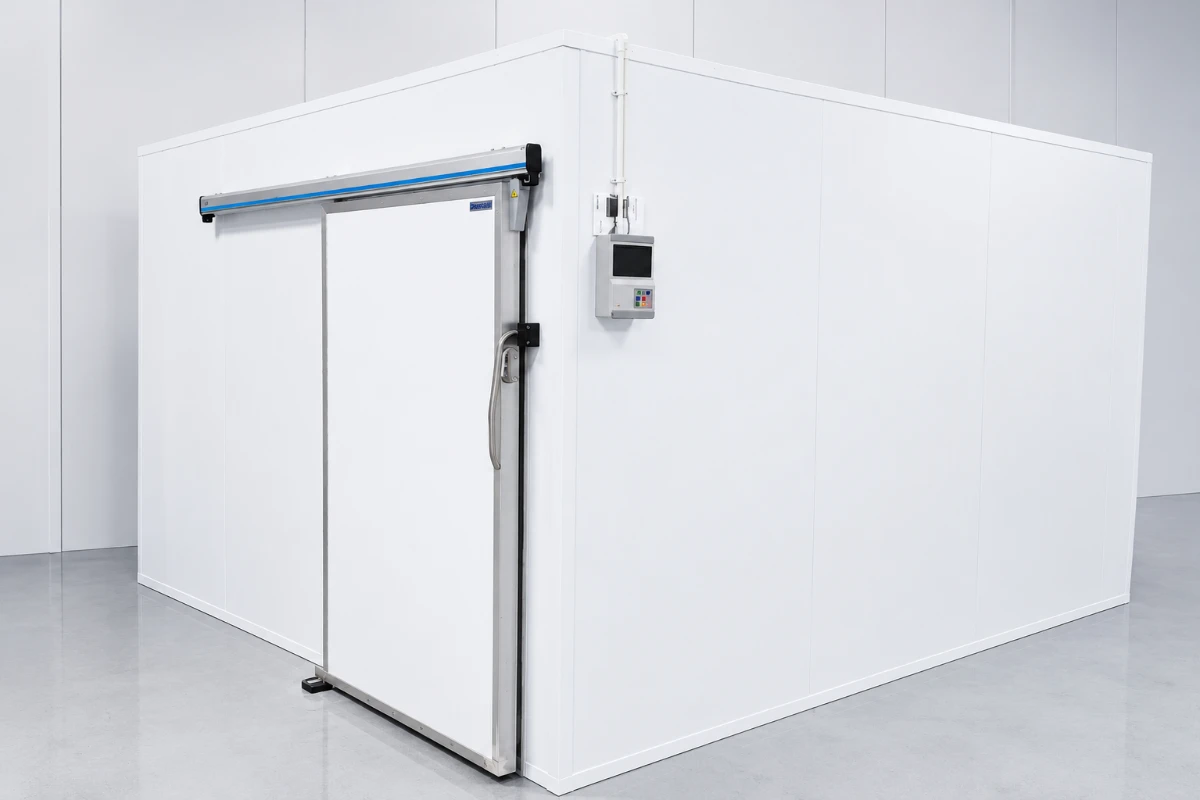
A modular cold room is built where it stands. Insulated panels lock together
into walls, ceiling and floor on a prepared base, so the room can be almost any size, expanded
later, and tailored to a specific bay, corner or warehouse. It is the right choice when the
location is permanent and the volume is significant — a distribution centre, a processing plant,
a supermarket back-of-house.
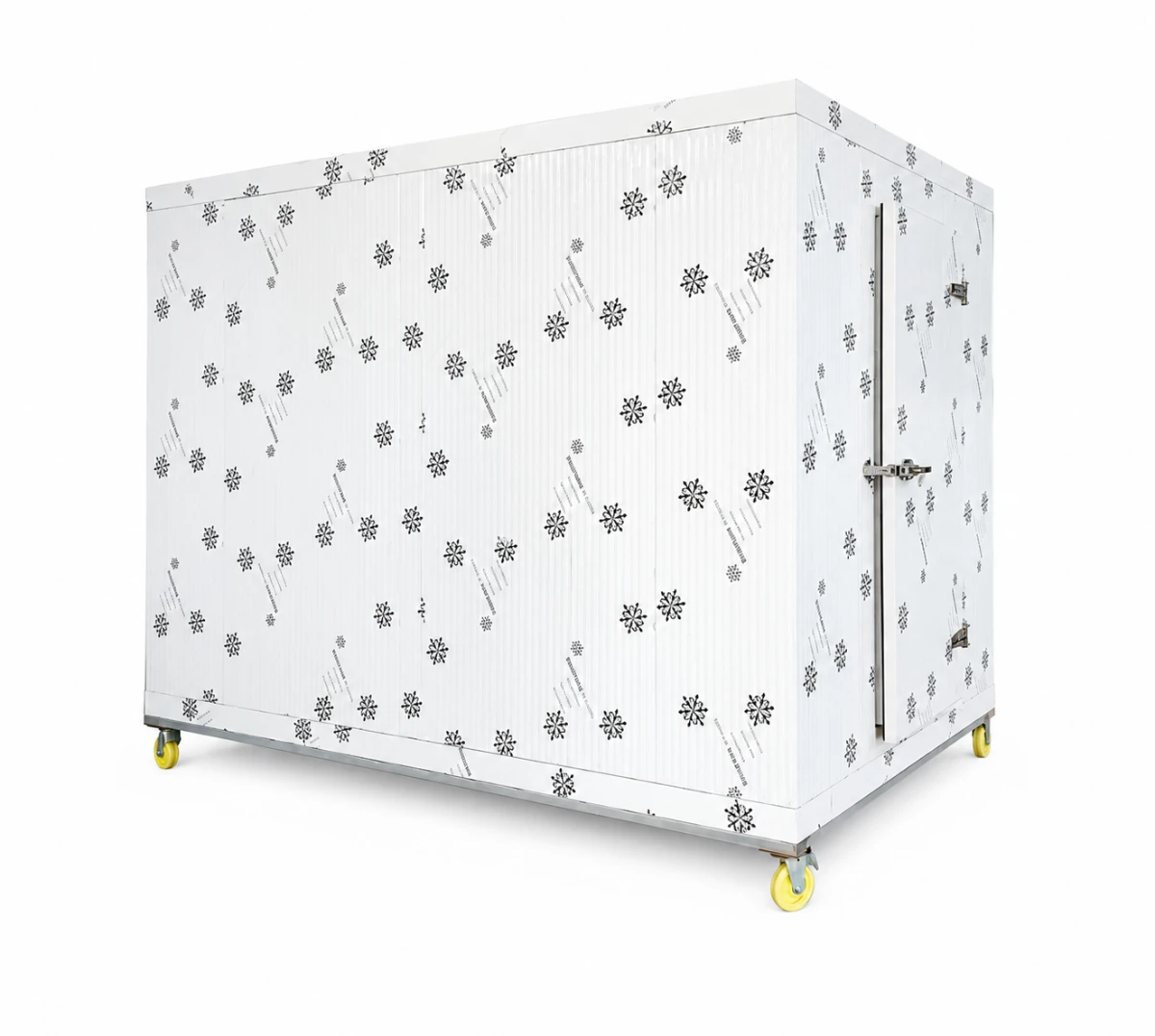
A mobile cold room is the opposite: a complete, weatherproof unit — often mounted in or built
like a shipping container, on a skid or on castors — that arrives ready to plug in and run. It
trades maximum size for mobility, so it suits sites that are temporary, remote, or changing:
markets and events, construction and mining camps, farms at harvest, disaster-relief and field
clinics, or a business that wants cold storage today without a build. In short, choose modular
for permanence and scale; choose mobile for flexibility and speed.
What They’re Used For — From Produce to Pharma
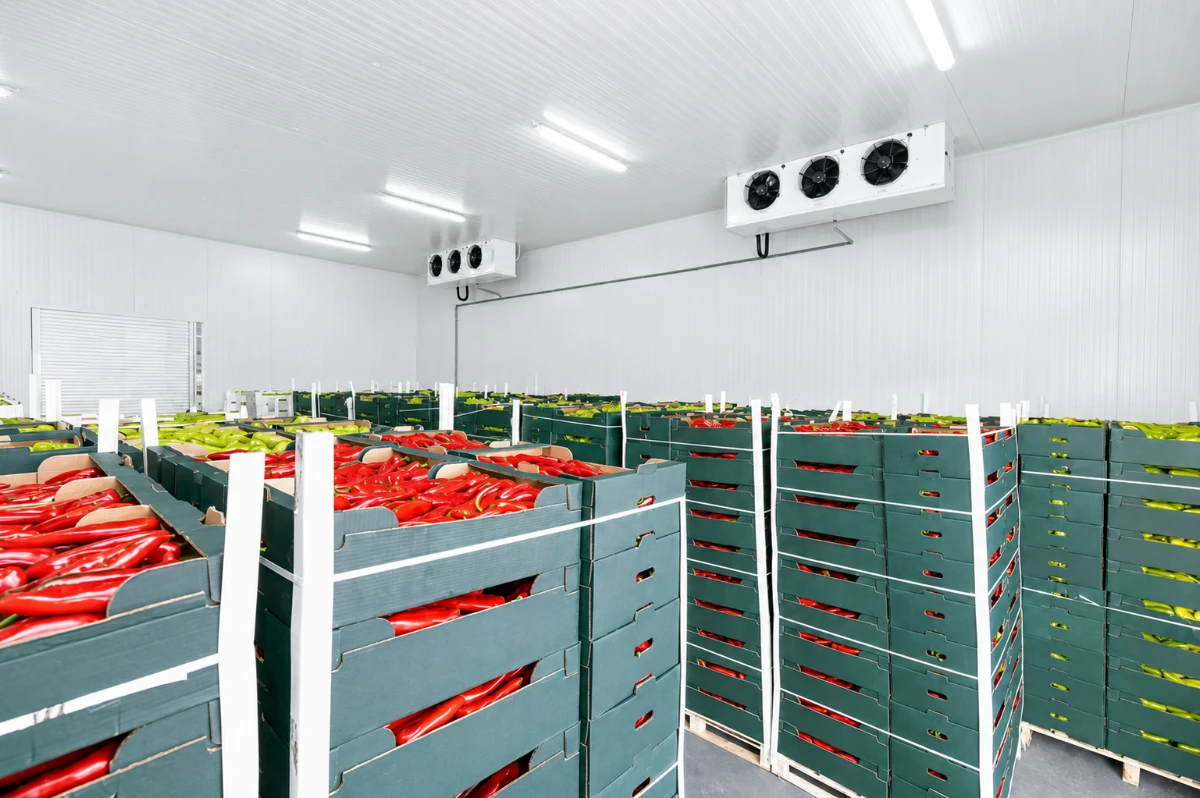
Cold rooms are often pictured full of fruit and flowers, but the range is much wider, and each
use sets its own temperature and hygiene rules:
- Fresh produce & flowers — chilled storage that slows ripening and wilting, extending shelf life from the farm to the shop.
- Seafood, meat & frozen food — freezer and blast-freezer temperatures that lock in freshness and meet food-safety limits.
- Dairy & beverages — stable chilled conditions for milk, cheese and bottled goods.
- Pharmaceuticals & vaccines — tightly controlled +2 to +8 °C storage with monitoring and alarms, where a few degrees is the difference between usable and wasted stock.
- Chemicals, labs & catering — specialised or temporary storage for reagents, samples and event kitchens.
The format follows the job: a hospital or relief agency may need a mobile unit it can deploy
anywhere, while a food distributor needs a large modular
cold storage
facility. The temperature class, not the goods alone, drives the panel and refrigeration spec.
Common Sizes — A Practical Reference
Sizes vary by maker, but these ranges are a useful starting point when you scope a project:
Mobile / containerised units
- Mini / trailer unit — roughly 2–6 m³
- 10 ft container — roughly 12–14 m³
- 20 ft container — roughly 28–30 m³
- 40 ft container — roughly 60–70 m³
Modular walk-in rooms
- Small walk-in — from about 2×2 m (around 8–12 m³)
- Medium — about 3×4 to 4×6 m for shops, restaurants and clinics
- Large — effectively unlimited; modular panels scale to full distribution warehouses
Pair the volume with a temperature class — chiller (0 to +5 °C), freezer
(−18 to −25 °C), or deep/blast (−30 to −40 °C) — because
colder rooms need thicker panels and more refrigeration. For how panel thickness and density
track those temperatures, see our guide to
choosing cold room panels.
How to Care for a Cold Room So It Lasts
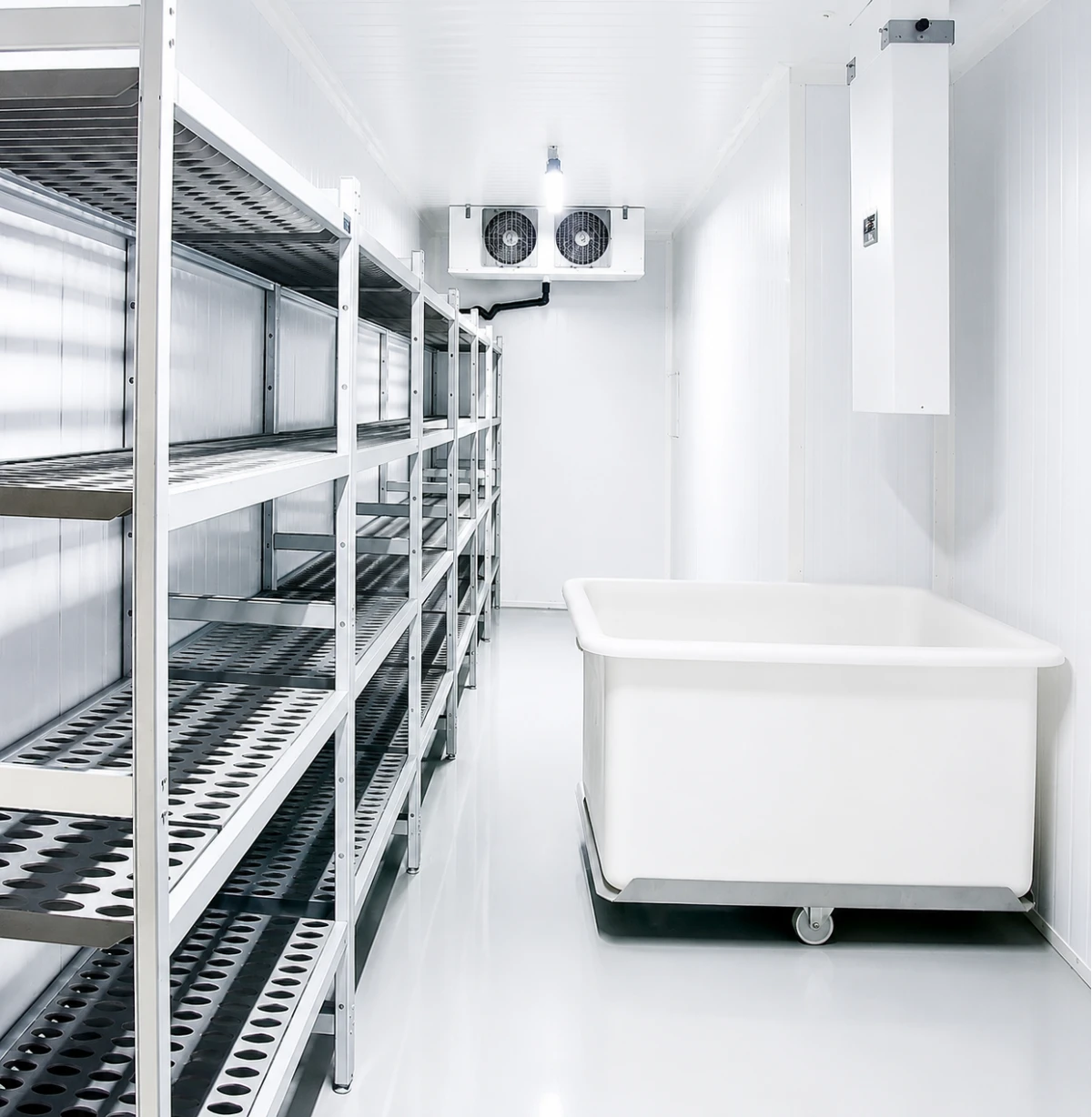
This is the part most suppliers never mention — yet maintenance decides whether your running
costs stay low and the room reaches its full service life. The essentials:
- Doors and seals. A worn gasket or a door left ajar is the number-one cause of frost, ice and high energy bills. Inspect seals, fit auto-closers and strip curtains, and replace gaskets when they harden.
- Defrost and ice. Make sure the defrost cycle works and keep floors and evaporators free of ice build-up, which blocks airflow and overworks the system.
- Drainage. Keep condensate drains clear — in freezers they should be heated so they don’t freeze and back up.
- Coils and fans. Clean condenser and evaporator coils regularly; dust and grime quietly raise energy use and shorten compressor life.
- Monitoring. Use a thermometer with logging and an alarm — essential for food and pharma compliance, and an early warning of trouble.
- Loading and airflow. Don’t overload or block air paths, never load warm product, and leave room for circulation.
- Hygiene and panels. Clean facings and floors, repair any dents or coating damage promptly, and book scheduled refrigeration servicing.
None of this is complicated, but skipping it is exactly how a cold room that should last twenty
years starts failing in five — following recognised
cold-chain best practice
protects both the goods and the asset.
Matching the Right Cold Room to Your Need
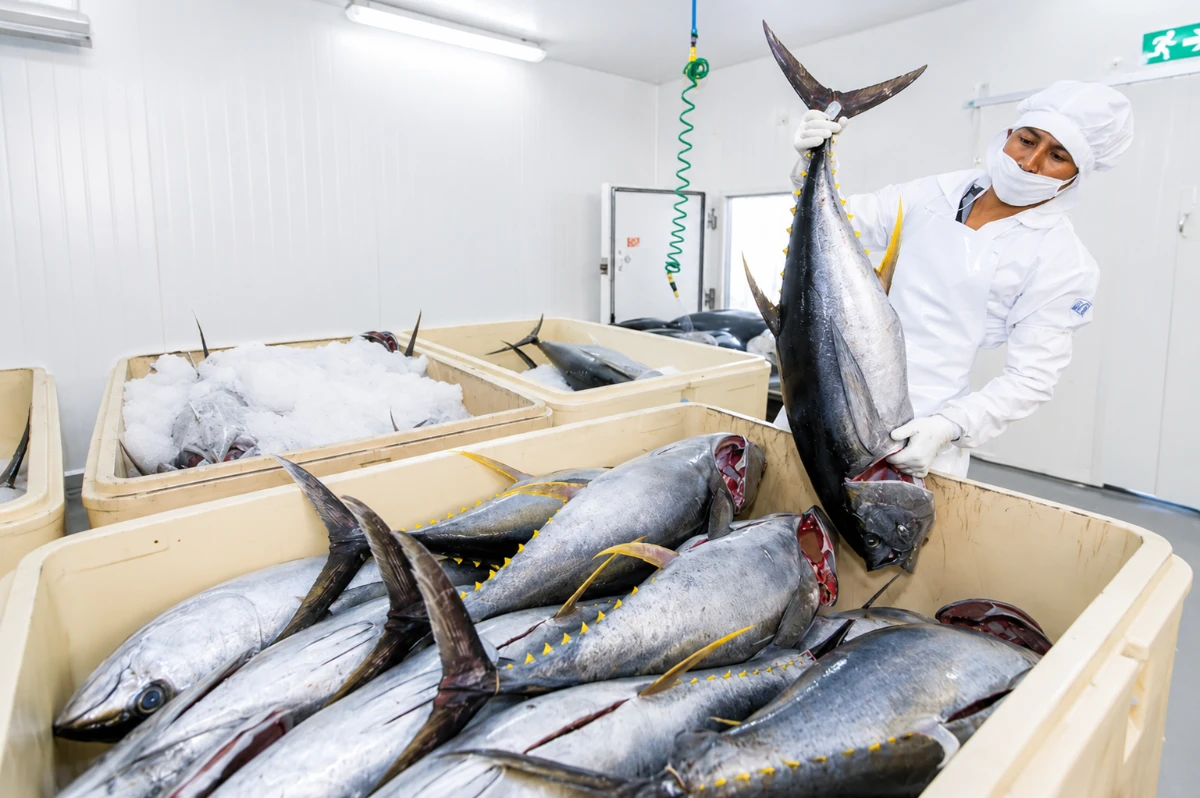
Before comparing prices, pin down six things, in this order: the temperature you must hold, the
storage volume, whether the location is permanent or temporary, the power available on site, the
hygiene or compliance level (food, pharma), and how much you expect to grow. Those answers point
almost automatically to modular or mobile, to a size, and to a panel and refrigeration spec — and
they stop you from buying a unit that’s too small, too warm, or impossible to relocate later. A
supplier who asks these questions before quoting is the one to trust; a supplier who only sends a
price is guessing on your behalf.
The VIKKINS Approach
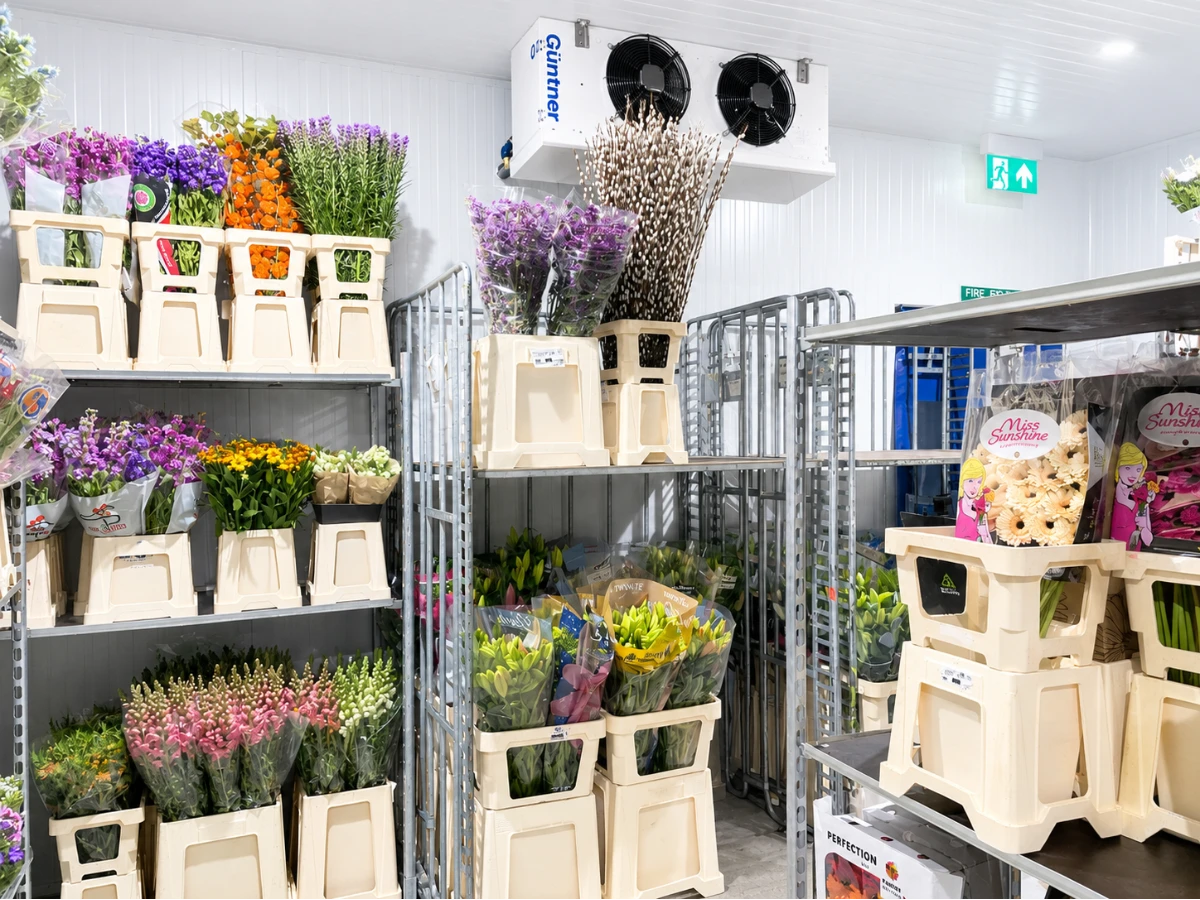
VIKKINS supplies both modular cold rooms and mobile cold rooms, specified to your temperature, volume,
location and compliance needs rather than to a fixed catalogue. Rooms are built from
high-density insulated panels with airtight joints, matched to the right refrigeration, packed
for sea freight and delivered to 90+ countries with design, supply and installation support —
and engineered from our Montréal office for accountability you can reach. Whether you need
a single mobile unit for a clinic or a modular cold store for a distribution hub, we size it to
the job and tell you how to keep it running for the long term.
Tell us your project dimensions and use — we’ll send a preliminary design and quote within 24 hours. Service in English, Spanish, or French.