








Prefabricated Steel Structures: Built Like Building Blocks, Across Every Field
A prefabricated steel structure is engineered and fabricated in a factory as a
kit of parts — columns, beams, trusses, purlins, bolts and insulated panels — then shipped and
bolted together on site like building blocks. That single idea is why the same system can become
a warehouse in one country and a cold store, a factory or a livestock farm in the next. But the
building-blocks logic only delivers its full payoff — lower cost, more usable space, a shorter
programme and a longer service life — when the supplier behind it does three things well:
design, supply, and installation support. Here is what those benefits really
mean for a buyer, field by field, and how to make sure you actually get them.
Built Like Building Blocks: One Prefabricated Steel Structure, Many Fields
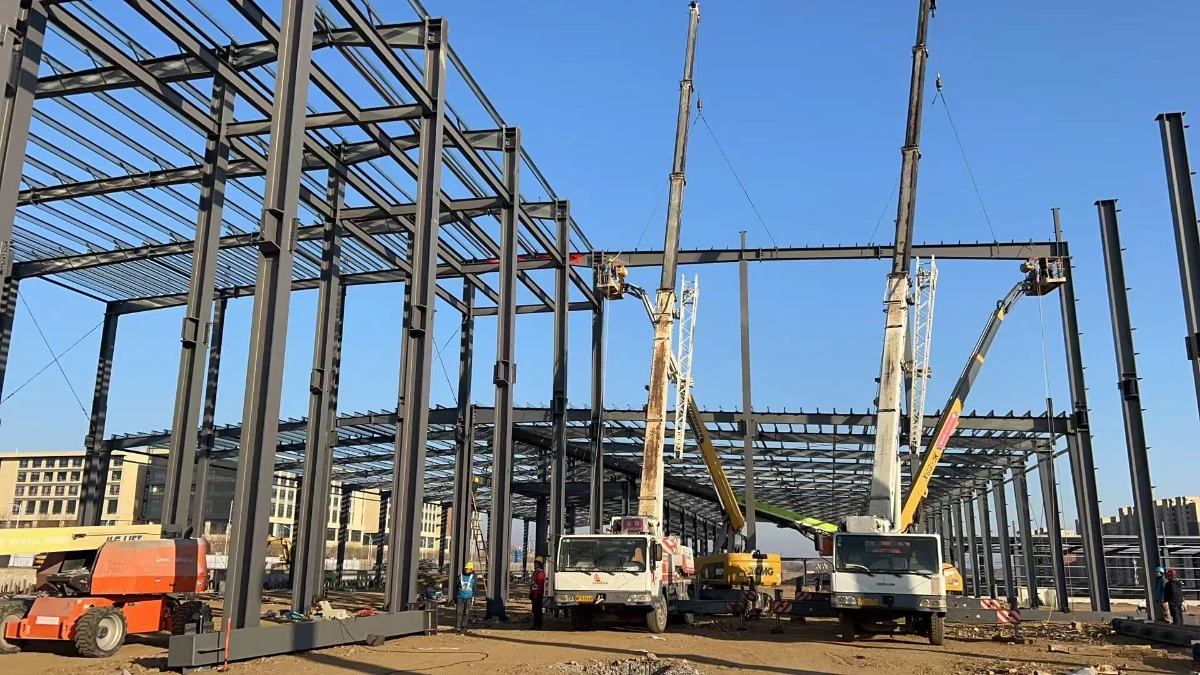
Because a prefabricated steel structure is assembled from standardised, repeatable components,
one engineering system flexes across wildly different projects. The same columns, rafters and
bracing logic that frames a 10,000 m² logistics warehouse also frames a multi-bay
factory, a stadium roof, a power-plant building or a row of identical farm barns. Change the
spans, the bay spacing and the envelope, and the “blocks” reconfigure to the job:
- Logistics & warehousing — long clear spans for racking and forklift traffic
- Cold-chain storage — a steel frame integrated with insulated PU/PIR cold-storage panels
- Industrial plants & workshops — heavy frames sized for crane runways and equipment loads
- Livestock & agriculture — fast, repeatable barns shipped to remote sites
- Energy & public buildings — power stations, stadiums and halls that need wide, column-free volumes
That is the real meaning of “building blocks”: not a single fixed product, but a
steel structure system
that scales. The four benefits below are why buyers in all of these fields keep choosing it.
1. Lower Total Cost — Count the Whole Building, Not the Sticker Price
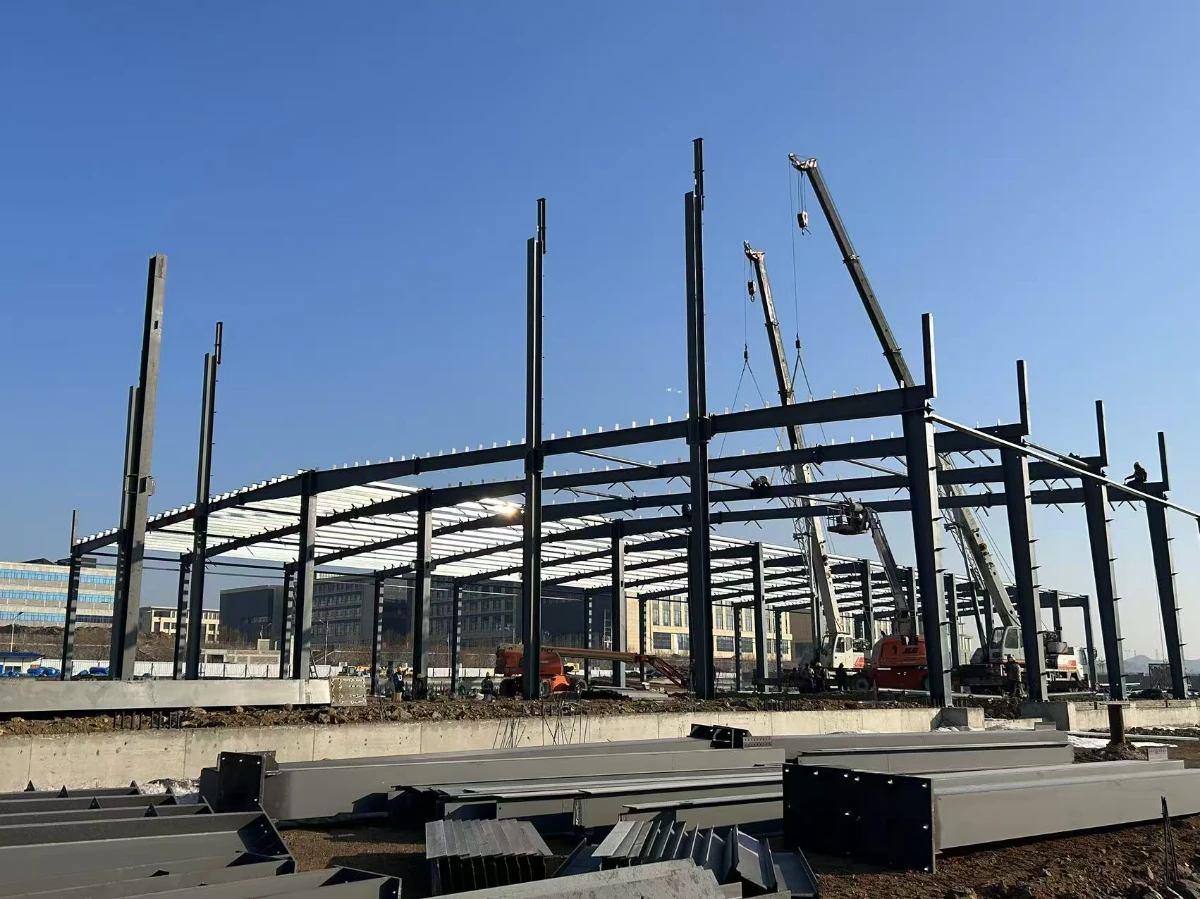
Steel’s high strength-to-weight ratio is where the cost story begins. A lighter superstructure
transfers less load to the ground, so foundations are smaller and cheaper. Fabricating in a
controlled factory cuts on-site labour, rework and material waste, and a fixed factory scope
means far fewer of the cost overruns that plague cast-in-place concrete. The biggest saving,
though, is time: a building that opens months earlier starts earning — rent, production,
throughput — that much sooner, which on a large project often dwarfs any difference in
construction cost. And at end of life, steel isone of the most recycled materials in the world,
giving the structure a residual value concrete rarely has. The lesson: judge a prefabricated
steel structure on total cost of ownership, not the lowest line on a quote — a point we return
to at the end.
2. A Shorter Programme — Weeks, Not Months
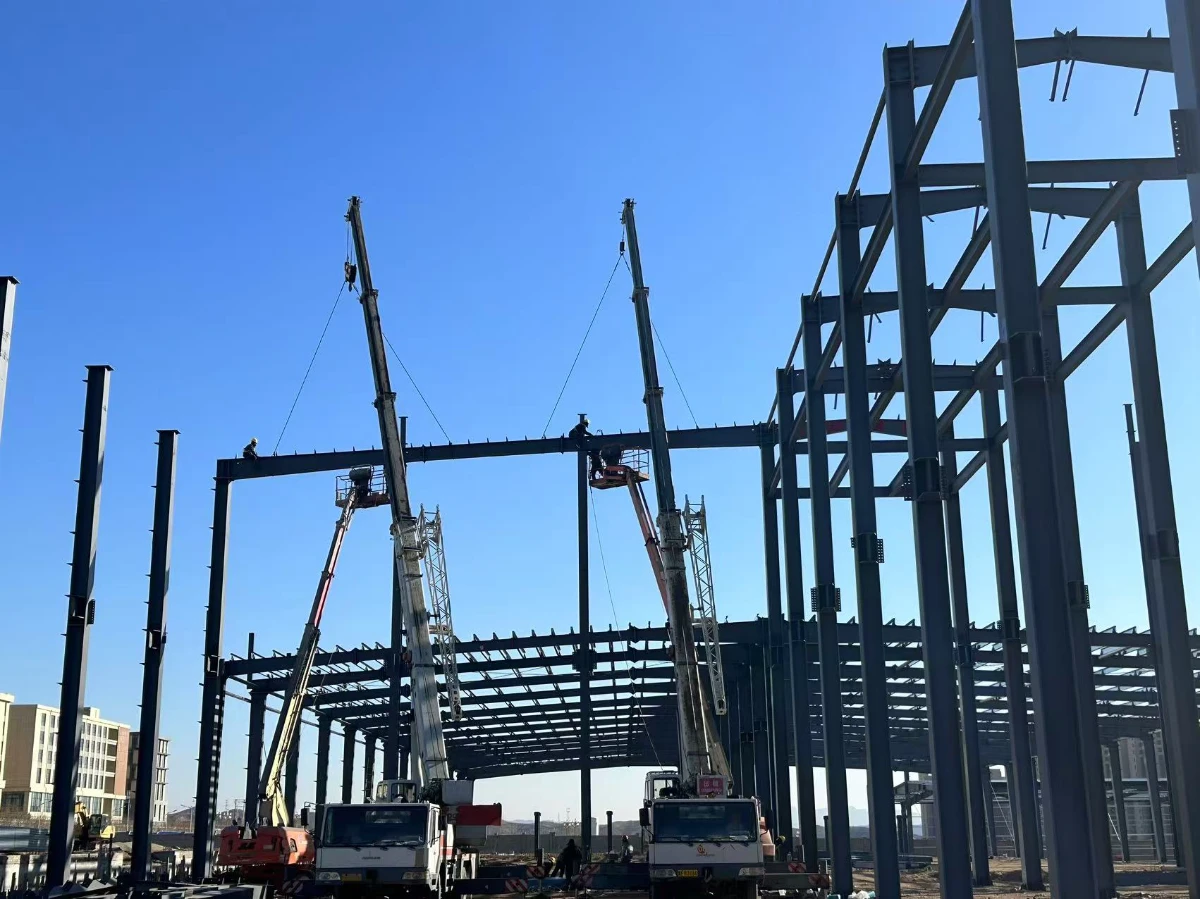
Prefabrication runs the project in parallel instead of in sequence. While the foundations are
poured on site, the frame and panels are already being fabricated in the factory — so the moment
the slab is ready, erection begins. Bolted steel assembly is fast and largely
weather-independent: there is no waiting for concrete to cure, and crews can raise a frame in
days and a full building in weeks, frequently cutting the build programme by a third or more
versus an equivalent concrete structure. For cold-climate and remote sites — the kind of
projects we deliver from Mongolia to West Africa — that speed is decisive, shrinking the window
in which weather, logistics and labour can derail a schedule. Faster on site also means safer
cash flow: less time before the building can actually be used.
3. More Usable Space — Column-Free, Flexible, Future-Proof
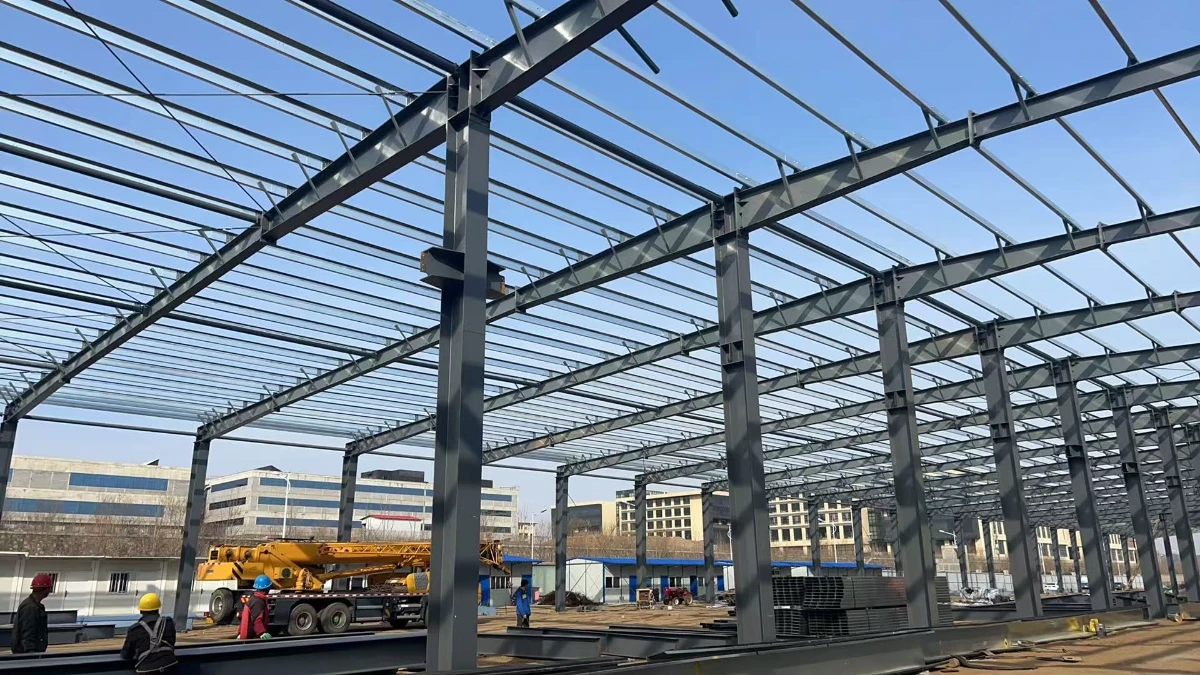
Steel spans further than concrete for the same structural depth, so a prefabricated steel
structure can deliver clear, column-free interiors of 30 metres and well beyond. That open
volume is not a cosmetic detail — it is usable area. Column-free floors let you lay out racking,
production lines, cold rooms or overhead cranes exactly where the operation needs them, not where
the structure forces them. Slimmer steel members also free up net floor area compared with bulky
concrete columns, and wide bay spacing means the building can be re-racked, re-equipped or
re-purposed years later without touching the frame. Where you need more storeys, a steel frame
with composite floor deck
adds levels without the weight penalty of concrete. You are buying flexibility, not just floor space.
4. A Longer Service Life — Built to Last and to Adapt
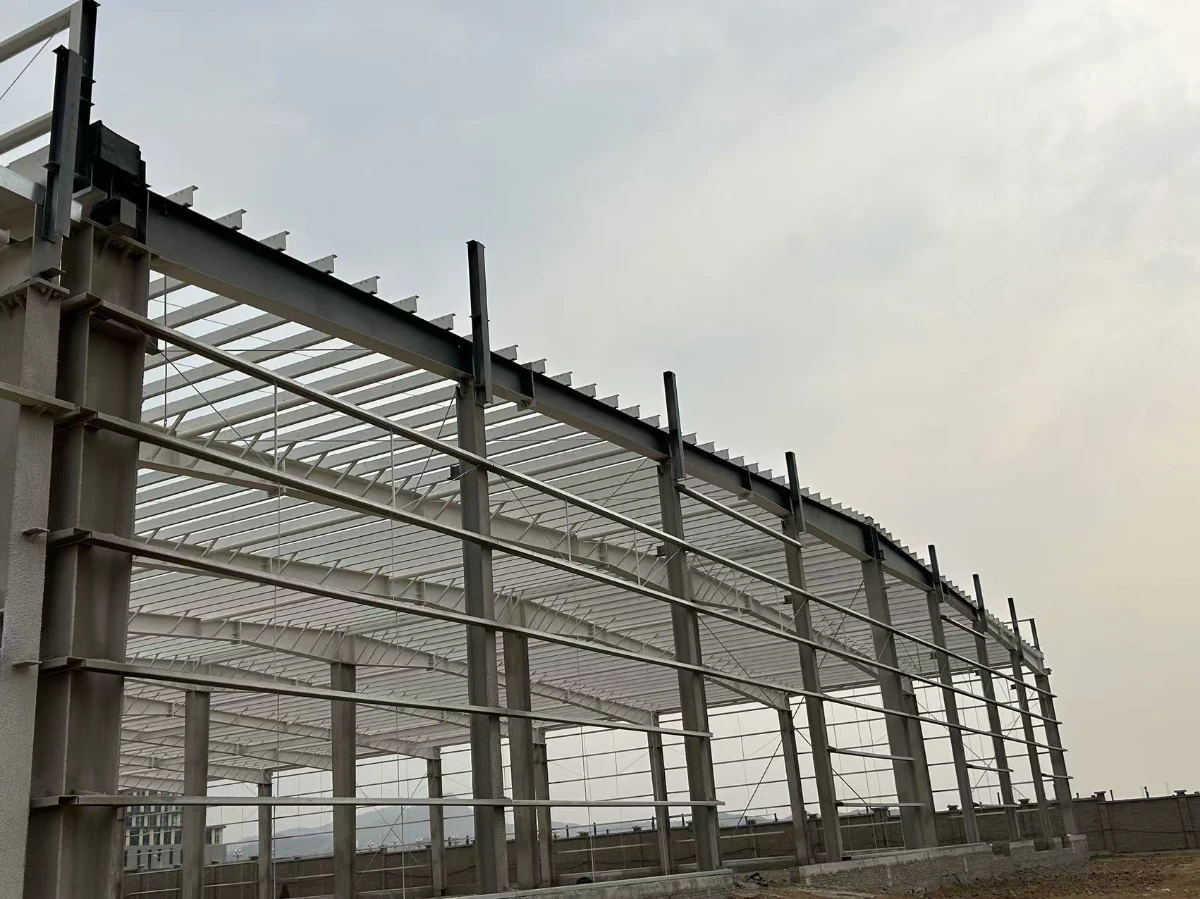
A correctly engineered prefabricated steel structure is typically designed for a 50-year service
life, and the right corrosion protection is what makes that real. Hot-dip galvanizing or a
specified paint system, matched to the site’s corrosivity category, keeps a coastal or industrial
building sound for decades with minimal maintenance. Steel’s ductility also gives it favourable
behaviour in earthquakes — it bends and absorbs energy rather than failing brittlely — and it
performs reliably from −30 °C winters to hot, humid climates. Just as important, a
bolted steel frame is adaptable: bays can be added, openings cut and loads upgraded as the
business grows, so the building keeps earning long after a cheaper, rigid structure would have
been demolished. Durability and adaptability are two sides of the same investment.
Design, Supply, Install — Why the Supplier Decides Whether You Get Any of This
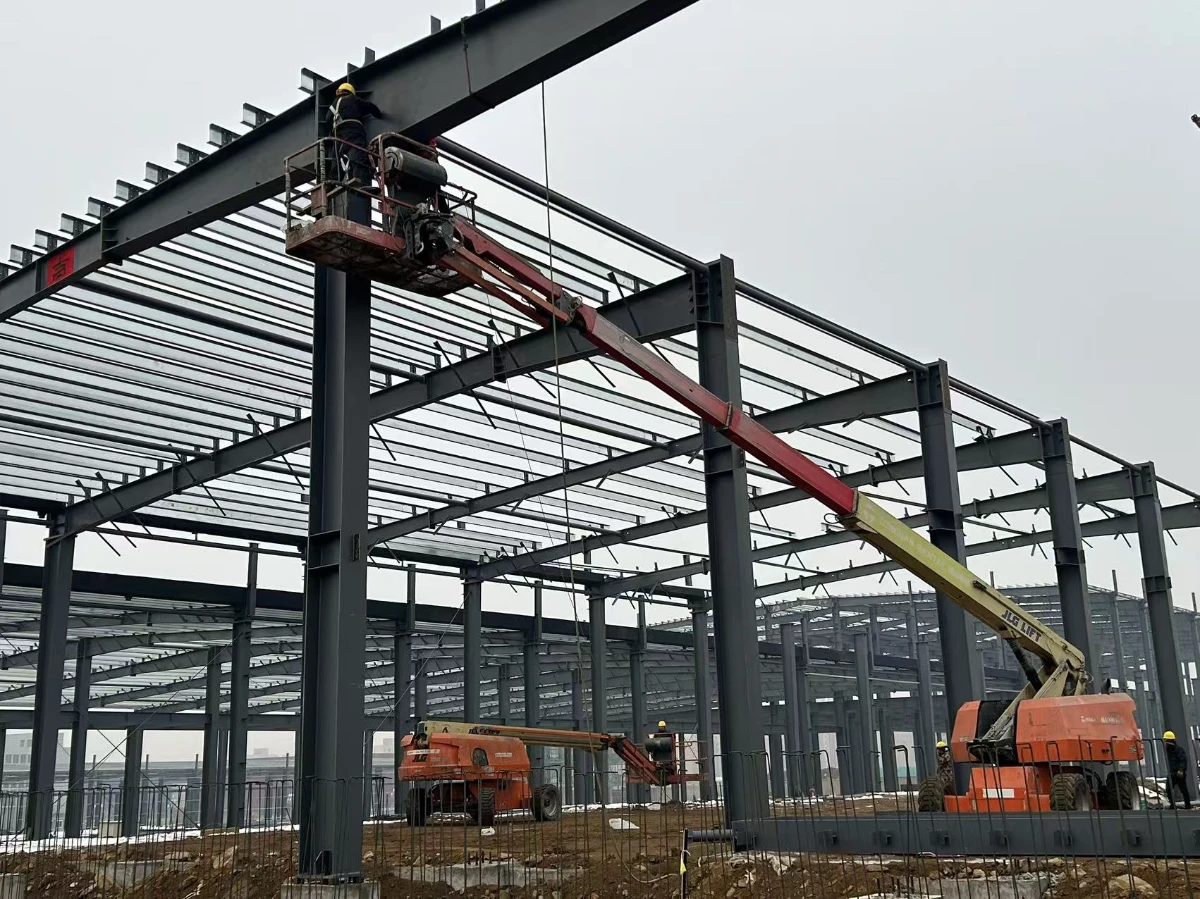
Every benefit above is created — or quietly destroyed — by the supplier. It comes down to three
jobs done well:
- Design — engineering the frame to the actual site’s wind, snow and seismic loads and to the governing code, then optimising the steel weight. Get this wrong and the building is either unsafe or needlessly heavy and expensive.
- Supply — fabricating to tolerance, applying the specified coating, packing for sea freight and delivering reliably. We ship complete packages to 90+ countries from ISO 9001 / ISO 14001-certified bases.
- Installation support — match-marked members, clear erection drawings, on-site supervision, and fast resolution of any missing or damaged part, so the frame goes up like building blocks instead of a puzzle with pieces missing.
This is exactly why the lowest quote is rarely the best supplier. A price gets “cheap” by
removing these very things: cutting steel weight (sacrificing durability and code compliance),
skipping real engineering (generic drawings, rework on site), excluding installation support
(you are stranded), or quoting EXW against a rival’s CIF so the number only looks lower. Align
every quote on the same scope and Incoterm,then ask each supplier for steel weight and grade, coating thickness in microns, exactly what is included and excluded, and who is accountable on site. A clear, itemised quote from a partner who designs, supplies and installs is the only way the benefits in this article actuallyreach your project. (See also our guides on H-beam vs I-beam and turnkey project delivery.)
Tell us your project dimensions and use — we’ll send a preliminary design and quote within 24 hours. Service in English, Spanish, or French.