








Steel Structure Warehouse: Design for Capacity and ROI
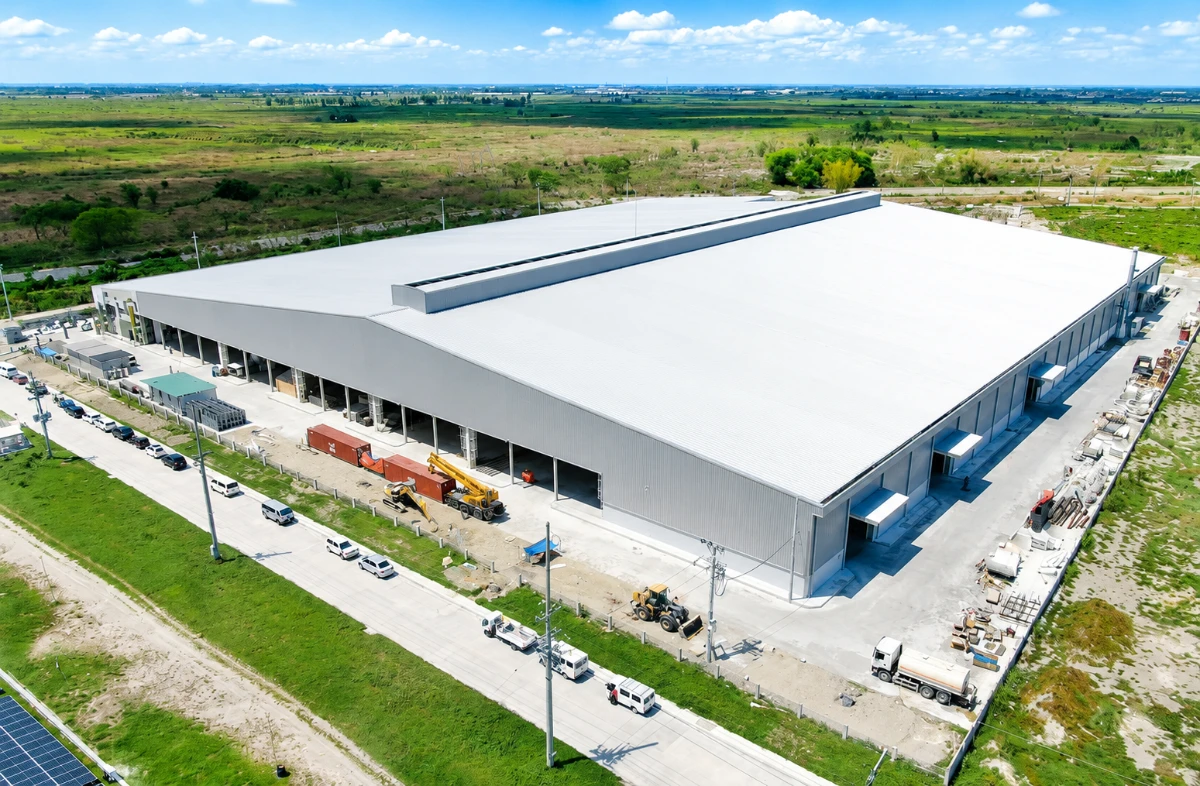
A steel structure warehouse is the default choice for storage and logistics for
good reasons — it spans wide and column-free, goes up fast, and expands when the business does. But two warehouses of the same floor area can differ enormously in how much they actually store and how quickly goods move through them. The difference isn’t luck; it’s a handful of design numbers most buyers underestimate. Here is how to design a steel warehouse for real capacity, throughput and return — not just four walls and a roof.
Clear Span and Column Grid — Designing Around Racking and Forklifts
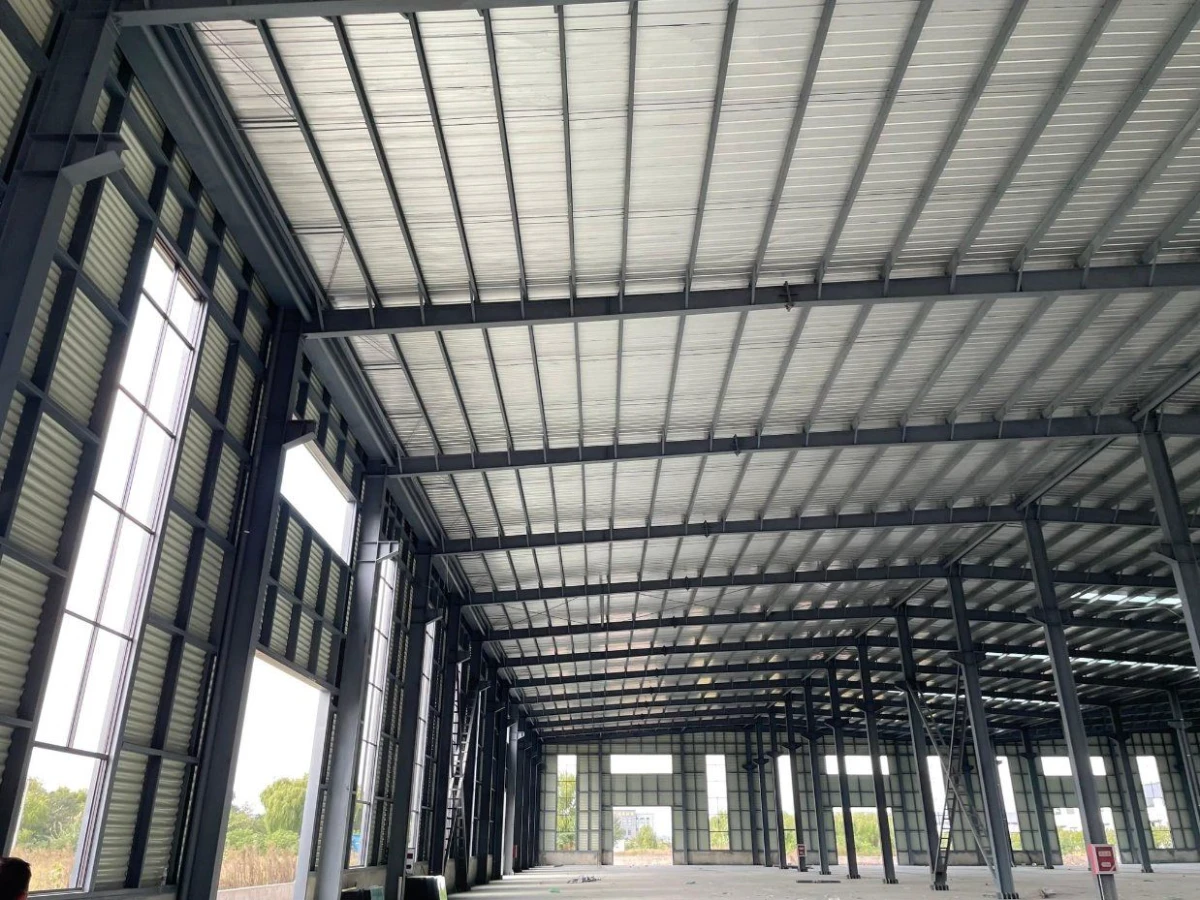
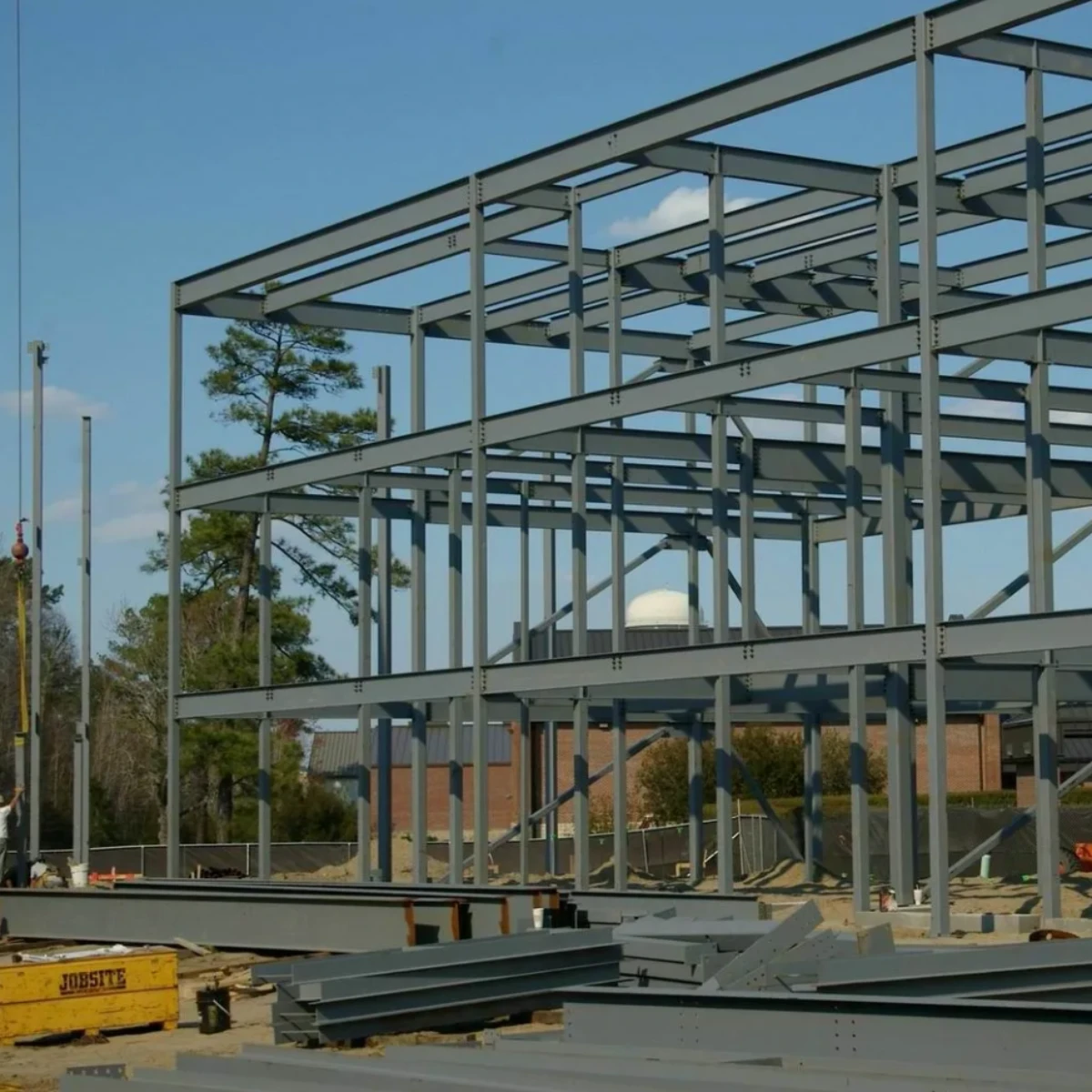
The structure decides the layout. A steel portal frame
can deliver clear, column-free spans of 20–40 m, and for very large footprints
gutter-connected multi-span frames extend the building sideways. That matters because internal
columns block racking runs and forklift aisles; every column in the wrong place is lost pallet
positions. Set the column grid around the racking and aisle widths your forklifts need — wide-aisle
around 3.5 m, narrow-aisle near 1.8 m, or very-narrow-aisle under 1.6 m — so the
building works with your handling equipment instead of against it.
Eave Height — The Number That Decides Your Storage Capacity
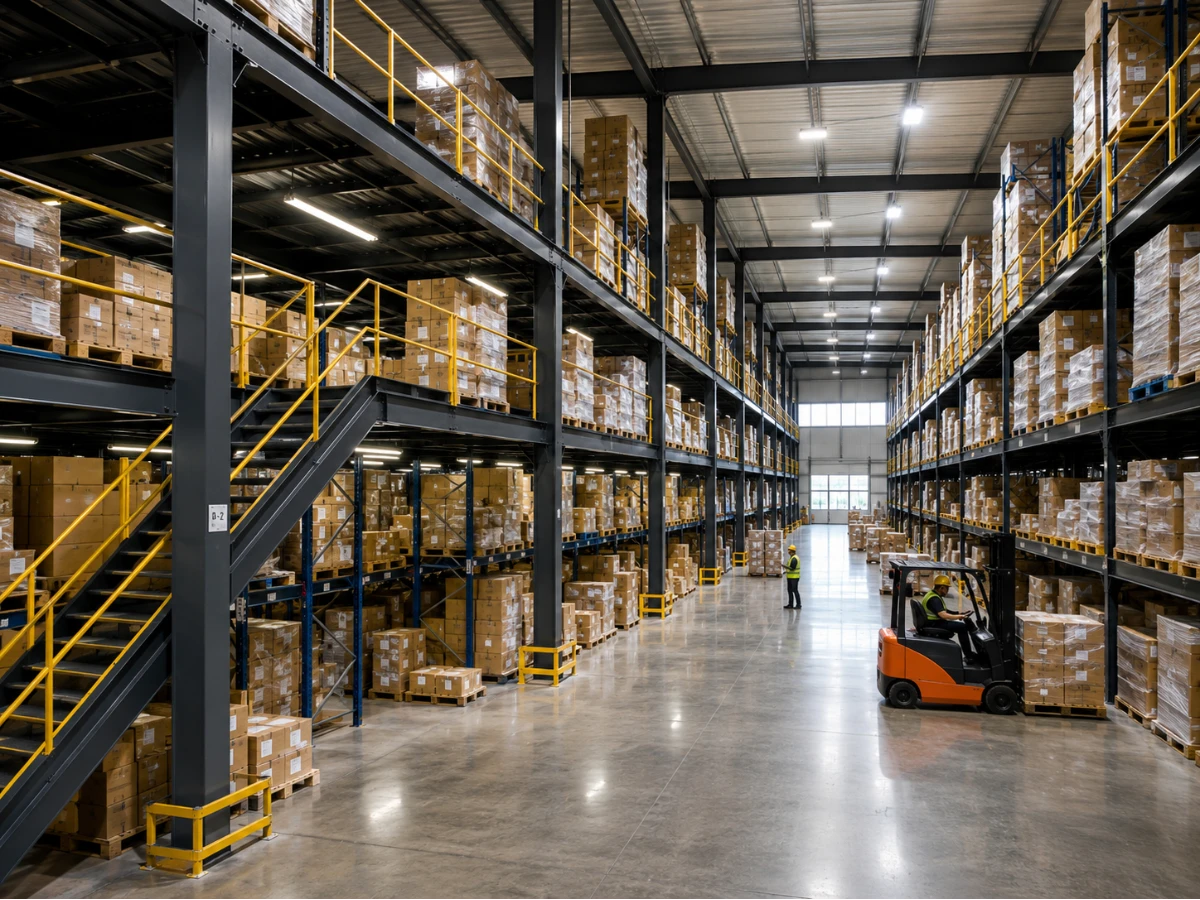
The most underrated number on the drawing is the clear internal (eave) height, because warehouses
store goods in cubic metres, not square metres. Older sheds ran 6–8 m; modern logistics
buildings are designed at 10–12 m and high-bay facilities go far higher, because every
extra metre adds another tier of pallet racking across the whole floor. As a rough illustration,
lifting the clear height from 8 m to 12 m can add one to two extra racking tiers — often
40–60% more pallet positions on exactly the same footprint and the same plot of land. Raising
the eave is the cheapest capacity you can buy: it adds storage without adding land, foundations or
roof area. A steel structure warehouse built too low can never get that capacity back — so size the
height to the racking you intend to run, with headroom to grow.
Loading Docks and Doors — Designing for Throughput
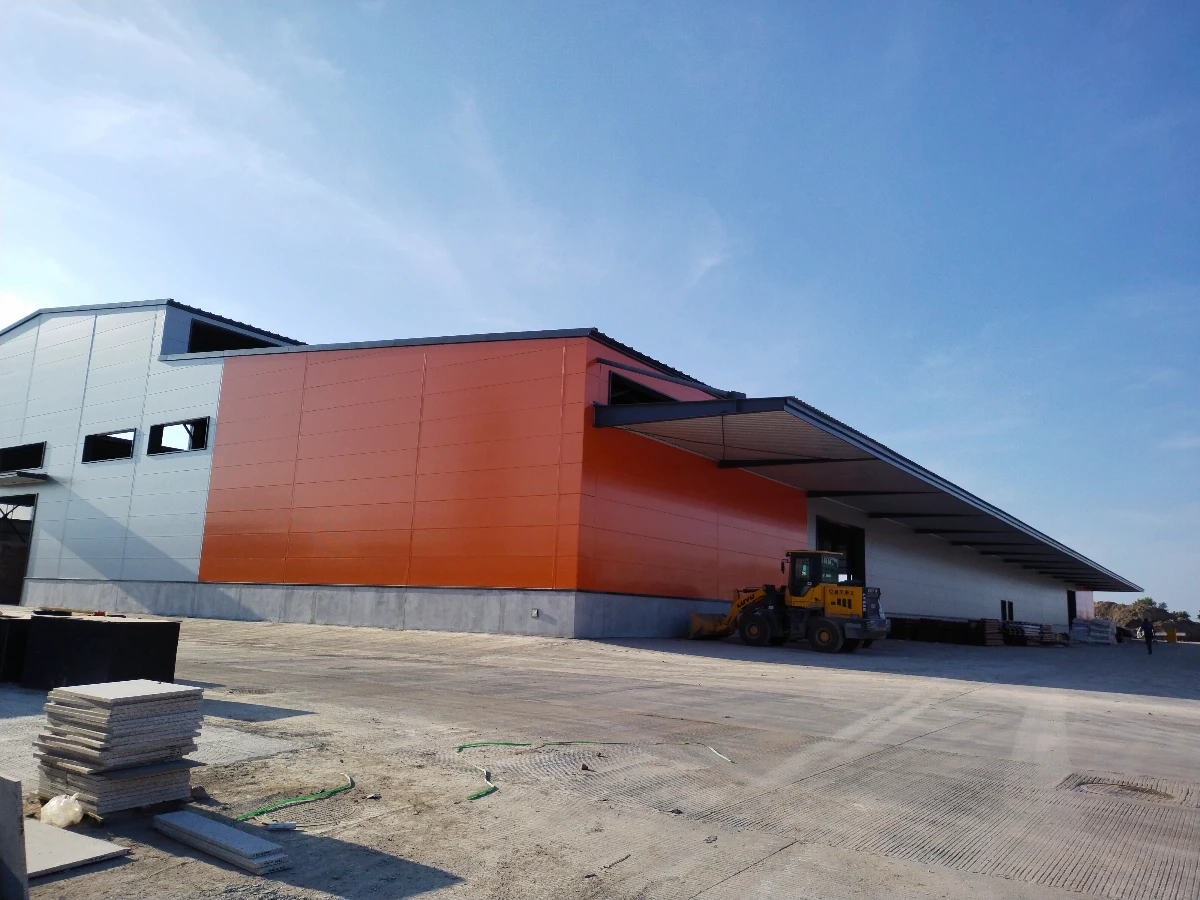
Capacity is wasted if goods can’t move in and out fast enough. Plan the dock face early: dock-level
doors with levelers for trailers, drive-in doors at grade for vans and forklifts, and enough of
them — and enough yard depth for trucks to manoeuvre. Position offices, staging and dispatch so the
flow runs one way from receiving to picking to shipping. Get this wrong and the building becomes a
bottleneck no amount of racking can fix; get it right and the same warehouse turns over far more
volume per day.
Floor, Fire and Envelope — Protecting Goods and Budget
Several less visible specifications make or break a warehouse:
- Floor slab — flatness and load capacity matter most where racking is tall and forklifts are fast; an uneven slab limits how high you can safely stack.
- Fire safety — compartmentation, sprinklers and smoke venting protect the stock and are usually required for insurance and occupancy.
- Insulation and drainage — roof insulation stops condensation dripping onto goods, and proper guttering handles heavy rain.
- Mezzanine option — a steel frame with composite floor deck adds offices or extra storage without expanding the footprint.
None of these show up in a quick price, but all of them show up in the running cost — and in whether
your goods arrive in the condition they left.
Sizing, Cost and How to Buy a Steel Structure Warehouse
Size the warehouse from the operation backwards: the pallet positions you need, the racking and
aisles to hold them, the eave height to stack them, and the docks to move them. A useful sanity
check is to start from your target pallet count and current throughput, add realistic growth, and
only then translate that into floor area, height and dock numbers — building to today’s volume
alone is how warehouses are outgrown within a few years. The cost then
follows the steel weight, the envelope and the freight — for a full breakdown, see our guide to
steel building cost.
VIKKINS designs and delivers steel structure warehouses end to end — clear-span frames engineered
to your loads, an insulated envelope, and the docks, floor and fire details specified together —
manufactured in ISO 9001 / ISO 14001-certified bases and delivered to 90+ countries with
design, supply and installation support, and itemised quotes on FOB or CIF terms. Because it’s a
bolted steel frame, you can also add bays later as the business grows.
Tell us your project dimensions and use — we’ll send a preliminary design and quote within 24 hours. Service in English, Spanish, or French.
Peça um orçamento gratuitoEnvie-nos uma mensagem pelo WhatsApp agora