



Modular Cold Rooms: The Complete B2B Buyer’s Guide
In a global market where the cold chain determines the competitiveness of entire industries — from food processing to pharmaceuticals — choosing the right modular cold room manufacturer can make the difference between an efficient operation and running costs that quietly erode your margin. This guide is written for operations directors, purchasing managers and project decision-makers who need industrial refrigeration solutions backed by real engineering, and it is organised around the six things experienced buyers check before signing.
1. Panel materials and thickness
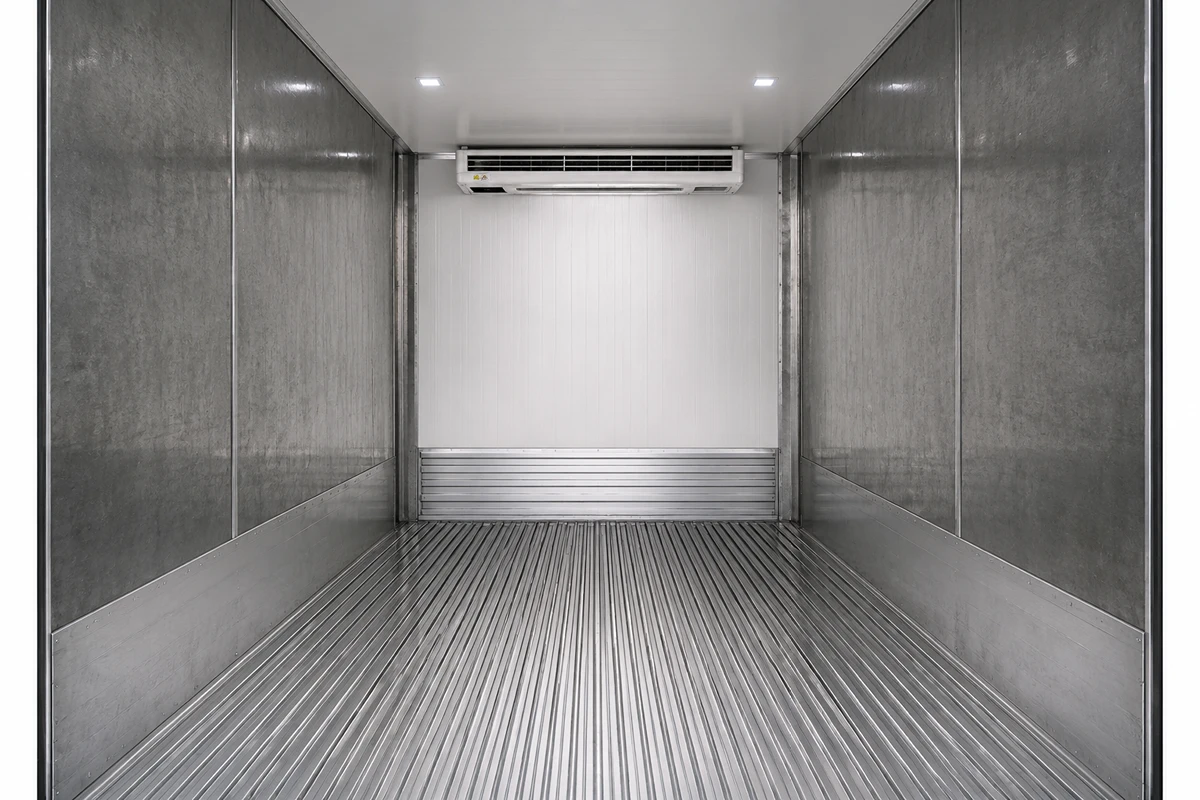
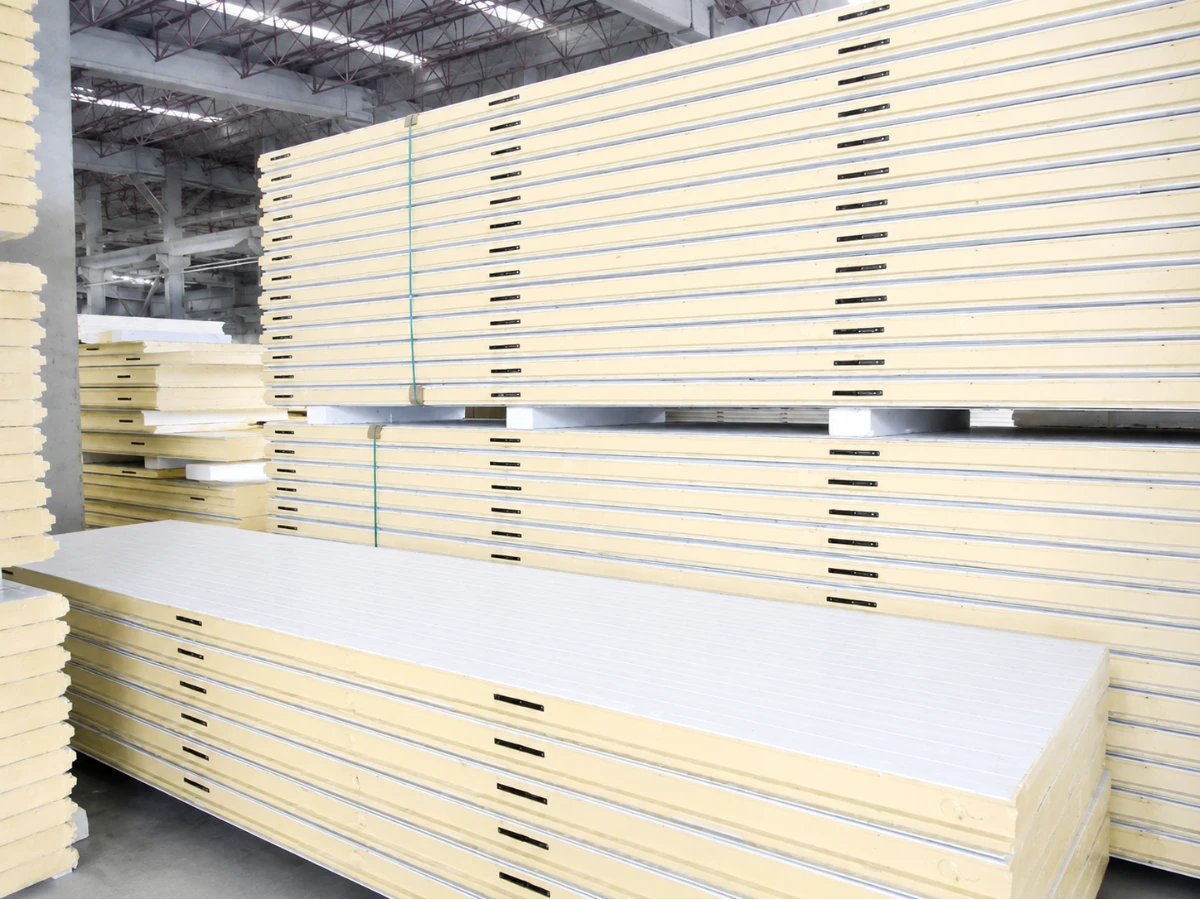
The envelope is the machine. Modular cold rooms are assembled from factory-made insulated sandwich panels, and the core material drives thermal performance: PU and PIR cores deliver high insulation values for chiller and freezer duty, while rock wool cores add fire performance where regulations or insurers demand it. Thickness is selected per chamber — a loading corridor, a chiller and a deep freezer should not share one panel specification. A capable manufacturer produces multiple core types and thicknesses on its own lines and will match each chamber’s duty instead of forcing your project into a catalogue.
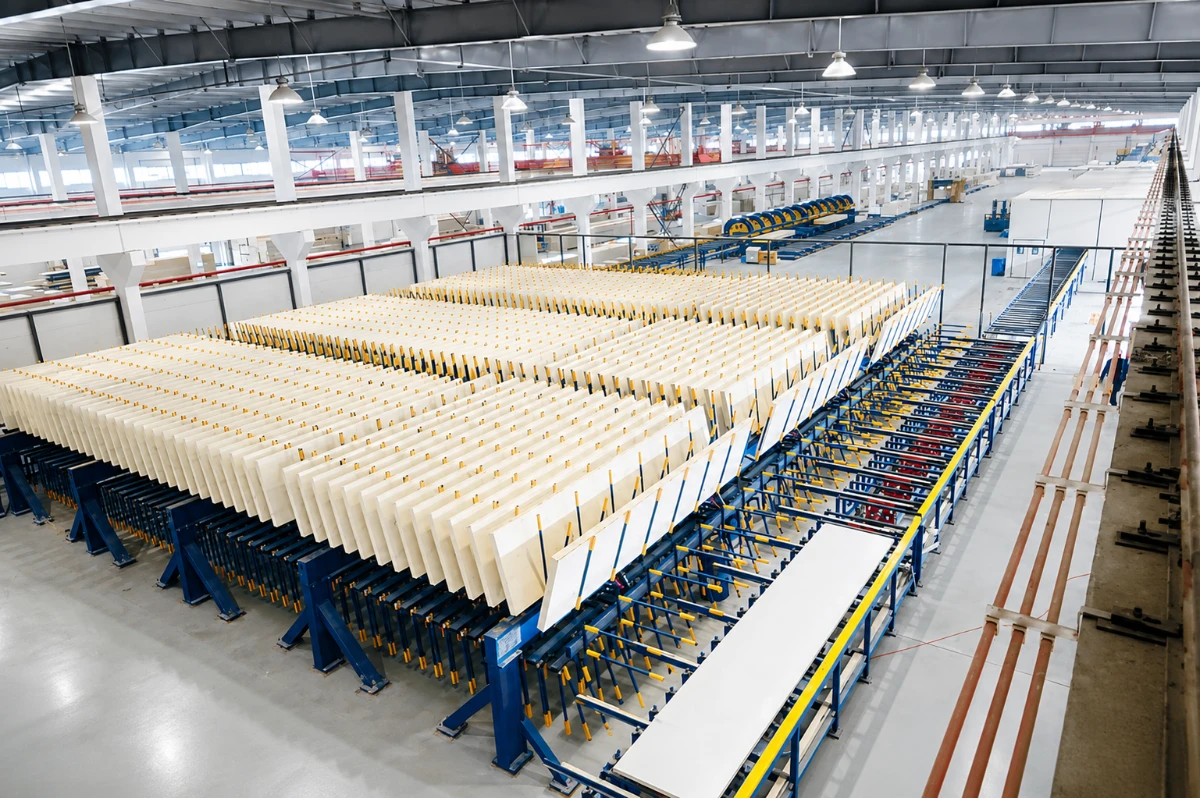
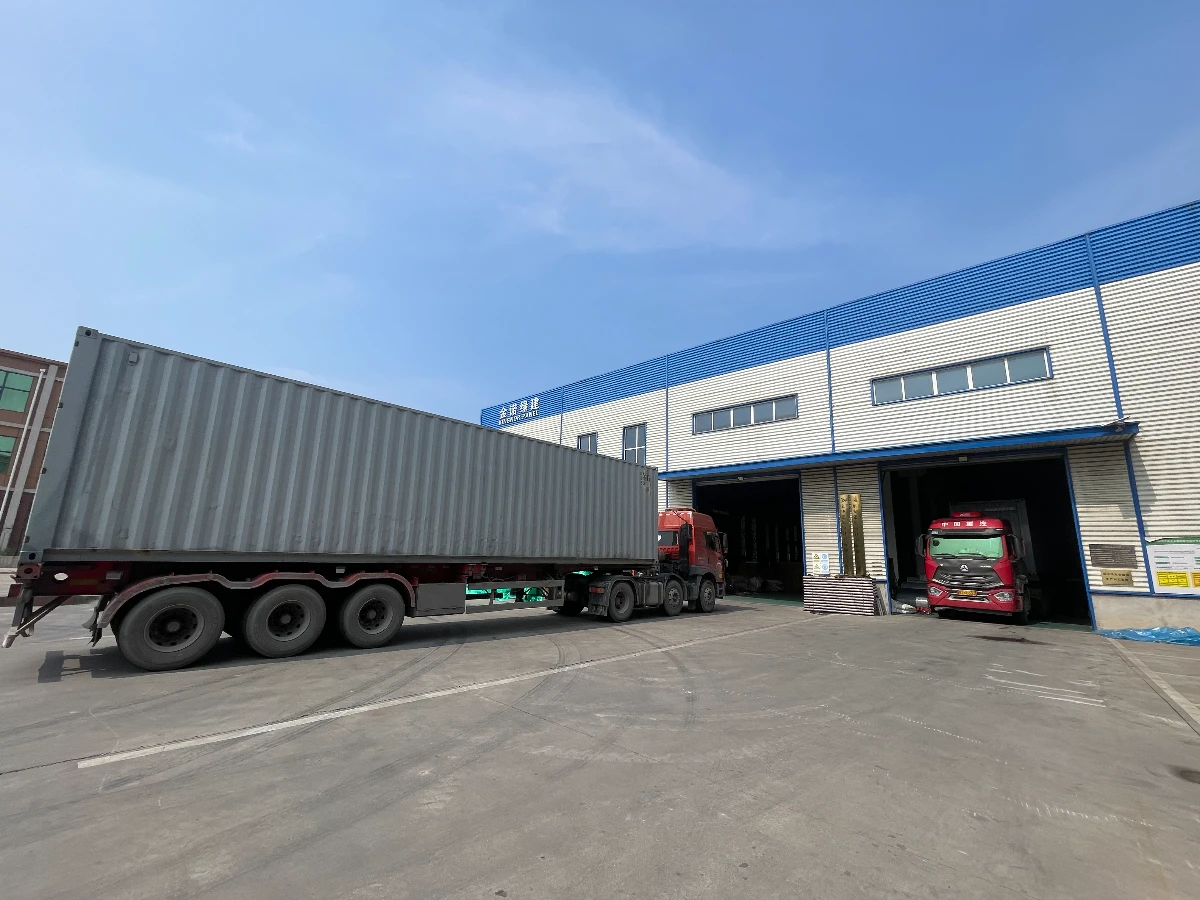
VIKKINS operates an 80,000 m² manufacturing base with a 40,000 m² workshop, producing over 5.000.000 m² of insulated sandwich panels per year alongside 30,000+ tons of structural steel — the cold room envelope and its supporting structure are engineered and produced in one place.
2. Certifications you can verify
Certifications to verify in writing: ISO 9001 certified · CE certified · CWB certified · AWS certified.
Ask for the certificates themselves, with scope and validity dates — a logo on a website is not documentation. Consistent certification across both the panel plant and the steel workshop tells you the whole scope is under one quality system.
3. Structural engineering support
A cold room of industrial scale is a building, not a box. The supplier should review your drawings, propose the panel layout, engineer the supporting steel structure and issue shop drawings and detailing for approval before anything is produced. When the panel maker and the steel fabricator are the same factory, interface errors between structure and envelope are caught on the drawing board rather than on site.
4. Lead time and shipping
Factory-direct supply means the production schedule is visible and committed: panels, structure, doors and accessories come off the same production plan and ship together, containerized for export with a packing list your freight forwarder can work from. Ask every bidder for the same two dates — ex-works completion and estimated arrival — and hold them to it in the contract.
5. Delivered project references
Ask for delivered references, not renderings. Two published examples from the VIKKINS project archive: a single-block steel-structure logistics warehouse for Luzon Logistics Park in the Philippines, and a multi-temperature distribution centre in Russia — both shipped as engineered kits combining the steel frame with the complete insulated envelope, installed by local crews following VIKKINS shop drawings.
6. After-sales and spare parts
Doors, gaskets, hinges and panel accessories are wear items. Confirm before ordering that spare parts are available ex-stock or on short lead time, that the supplier keeps your project drawings on file for future extensions, and that technical support is reachable when your maintenance team needs installation details years later. A manufacturer that documents every kit it ships can support it for the life of the building.
Getting a comparable quotation
Product details, panel systems and chamber configurations are documented on the VIKKINS modular cold room product page.
Send your drawings or specifications — chamber dimensions, target temperatures, site location — and request a technical and commercial proposal. Factory-direct suppliers can quote the full envelope-plus-structure package, which is the number that actually matters for your project budget.
Related reading: Modular Cold Rooms for Industrial Projects: What to Demand from a Manufacturer