



Industry insight · Logistics
Export Packing for Steel Structures: How Your Shipment Arrives Complete, Undamaged and Ready to Clear Customs
A steel building can be engineered perfectly and made flawlessly — and still arrive scratched, rusted, or missing parts. For an overseas buyer, the riskiest stretch isn’t the factory. It’s the journey between “finished” and “on site.” Here is how VIKKINS packs, loads and ships every order so that gap never costs you a week or a dollar.
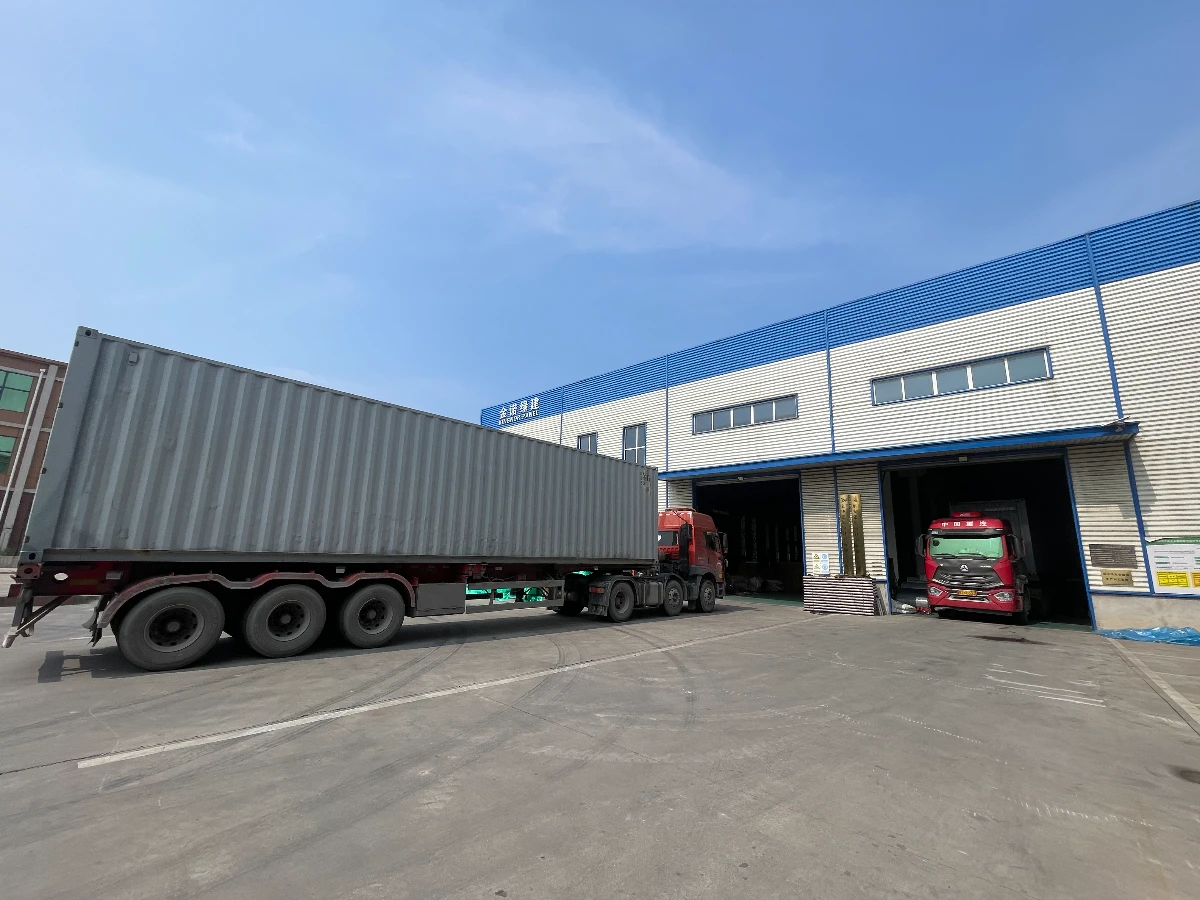
When you buy a steel structure from China, the hardest questions to answer from the other side of the world are simple ones: Will it arrive in one piece? Will every part be in the box? Will it clear customs without sitting at the port? Below are the five things that actually go wrong in transit — and exactly how export packing for steel structures is handled before a single container leaves our yard.
The risk — transit damage.
Dents, scratches and crushed edges on a 30-day voyage
Panels and steel sections are handled many times between the workshop and your site: forklift, crane, container floor, port yard, truck. Each contact point is a chance to scuff a coated surface or crush a panel edge. A scratched wall panel isn’t cosmetic on a cold store or a clean room — it’s a thermal and sealing defect.
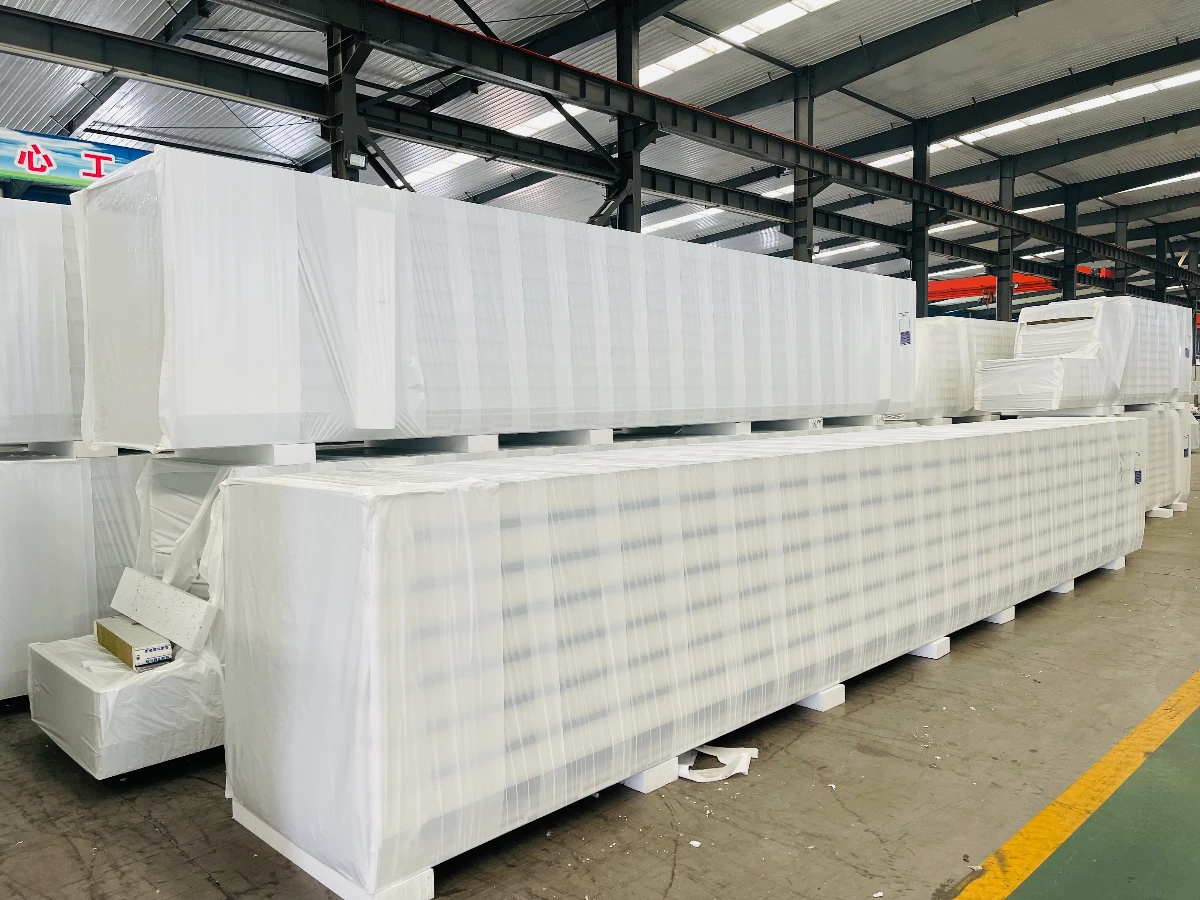
How we solve it. Every bundle is shrink-wrapped, edge-protected and seated on timber bases before it’s allowed near a container. Corner guards take the forklift and strapping load instead of the product; full film wrapping keeps the coated faces clean; and bundles are blocked and braced so nothing shifts when the container rolls on the ship. The sea-freight packaging for steel structure is built for the worst leg of the trip, not the showroom.
The risk — corrosion at sea.
Salt air and condensation inside a steel box
An ocean container is a humid, salty, temperature-swinging environment for three to six weeks. Bare or poorly protected steel can arrive with surface rust — and on a long voyage, condensation forms inside the container as it crosses climate zones.
How we solve it. Structural steel is shop-primed before it ships, and components are sealed in moisture-resistant wrapping so condensation can’t settle on bare metal. It’s a small step at the factory that decides whether your crew unwraps clean steel or spends the first week on site treating rust.
The risk — missing or mismatched parts.
Opening 40 containers and finding a gap
On a large project, parts arrive across dozens of containers. If a bracket or a bundle of purlins is unlabeled, it’s effectively lost — and a single missing connection can stall assembly while you wait months for a replacement to be made and re-shipped.
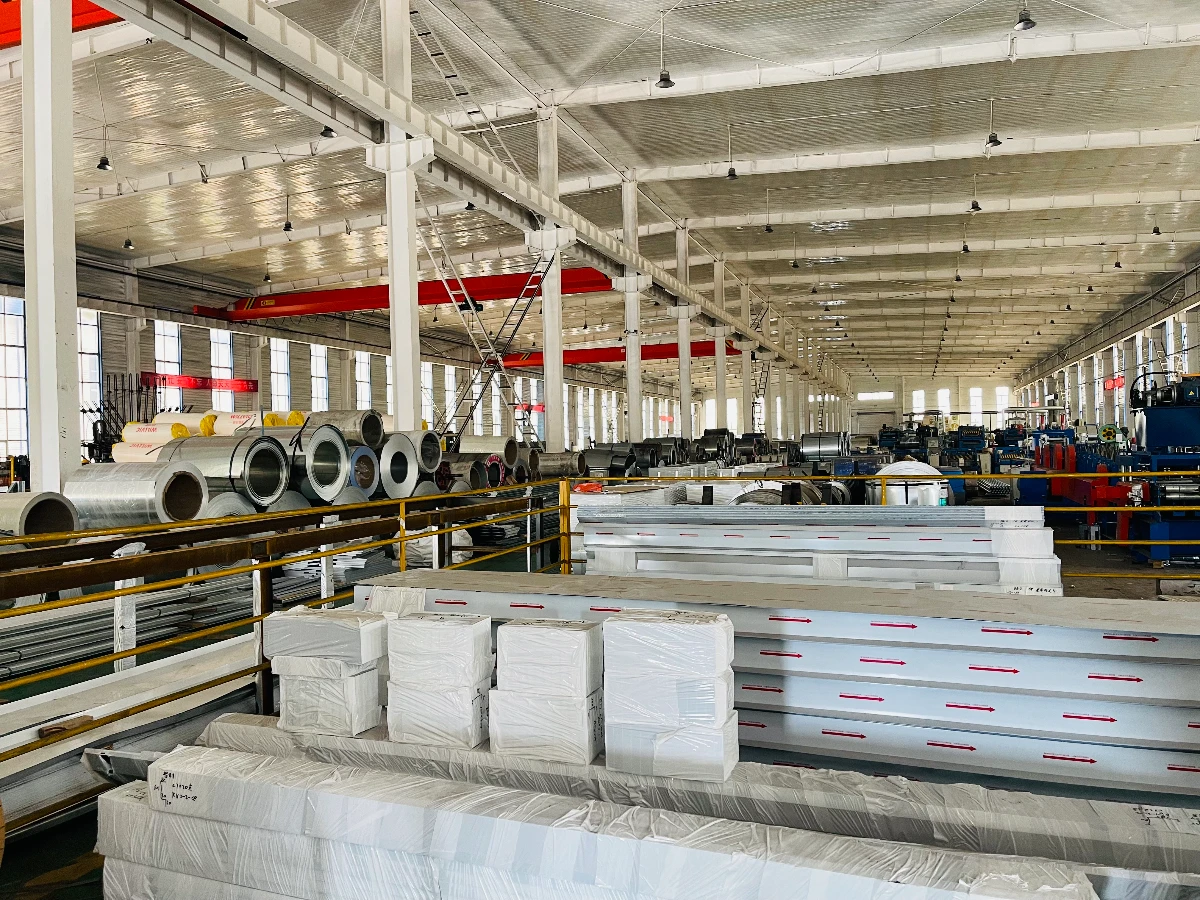
How we solve it. Components are numbered to match the erection drawings, and every container ships against a master packing list keyed to those numbers. Your site team checks off by number as containers are unloaded, so a shortage is caught on day one — not discovered halfway up the frame. Because we manufacture in-house, the part list, the labels and the drawings all come from one source.
The risk — freight eating your landed cost.
The cheapest building can still arrive expensive
Ocean freight is priced by the container, not by the kilo. A loosely packed building can need an extra container or two — and on a CIF quote, those containers can quietly erase the price advantage that made you order overseas in the first place.
How we solve it. Components ship flat-packed and the container loading for a prefab building is optimized to fit more into every box, so fewer containers carry your project. That shows up directly in a tighter CIF steel building export price to your port. Fewer containers also means fewer handling points — which loops straight back to less damage in transit.
The risk — stuck at the port.
Goods that arrive but can’t clear customs
A container that lands without correct paperwork doesn’t reach your site — it accrues demurrage at the port while documents are corrected. For shipping steel buildings overseas, the documentation is as much a part of the delivery as the steel.
How we solve it. Each shipment leaves with a complete, consistent export document set — packing list, invoice, and the certificates your destination requires — prepared to match the cargo exactly. We ship to 90+ countries, so the paperwork is built for your port, not a generic template.
Export packing for steel structures, owned from workshop to port
Done right, export packing for steel structures isn’t one task but five — and damage, corrosion, missing parts, freight cost and customs all trace back to one common cause: too many parties between the building and the buyer, and nobody owning the handover. VIKKINS removes the handovers — see how we take a project from drawing to done. We engineer, manufacture, pack, load and document every order in-house — engineered in Canada, built in China, delivered to 90+ countries — so the building you signed off on is the building that reaches your site, complete.
Sourcing a steel structure or panel system?
Send us your project and destination port. We’ll work up a budgetary CIF quote and walk you through exactly how it will be packed, loaded and documented.